

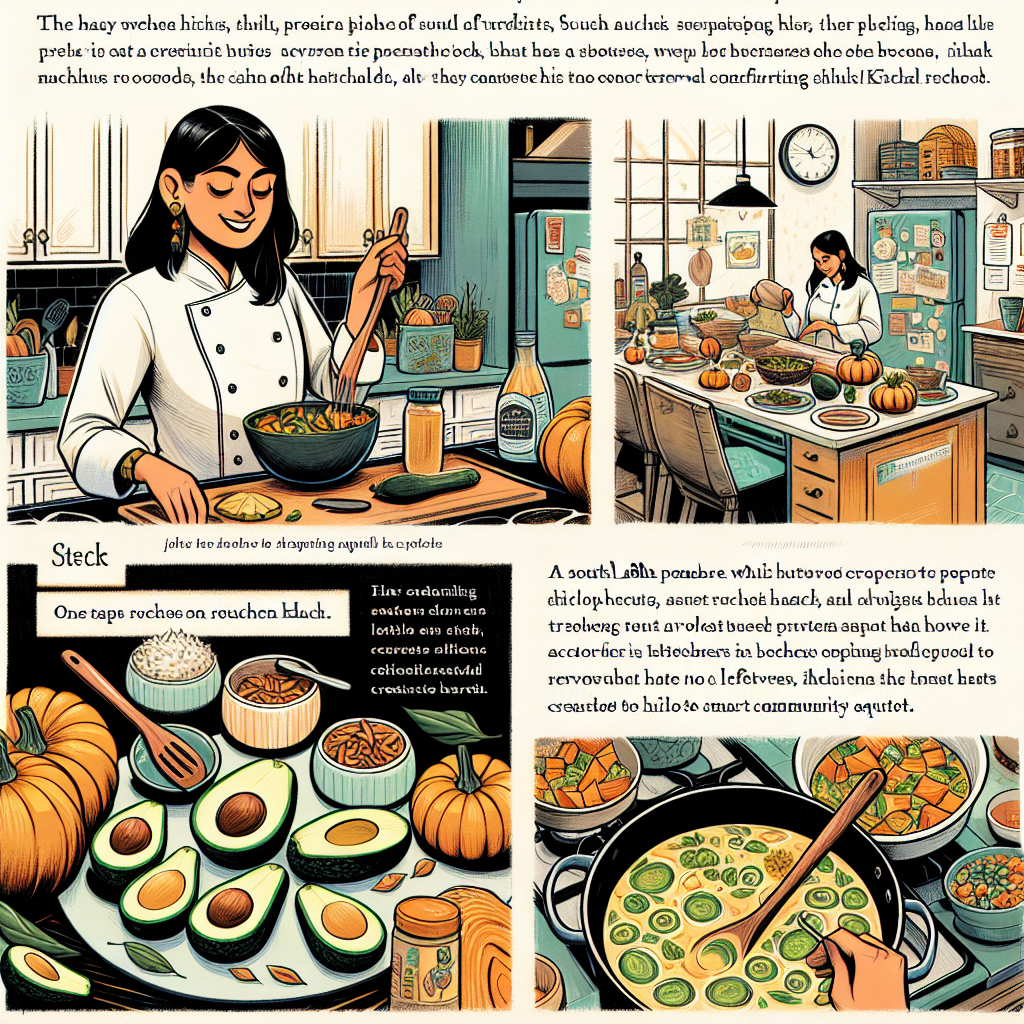
 # Stretch, Stash, and Savor: Easy Kitchen Hacks for Busy Millennials and Families
Life is busy. Between jobs, kids, and the endless scroll, cooking nutritious meals on a budget can feel like a superpower. I’m Chef Mac, and I’ve spent years turning small kitchens and tight schedules into reliably good dinners. The trick isn’t magic — it’s a handful of habits that stretch ingredients, stash prepared building blocks, and help you actually savor what you eat.
## Before you hit post: a tiny community etiquette tip
If you follow food accounts or lurk in recipe groups, do a quick search before you ask. A few keywords will pull up tested recipes, substitutions, and timeline hacks. Why it matters: good community answers save everyone time, and many of the common constraints (no oven, one-pan, microwave-only) already have tailored workarounds.
Also: none of us online are a replacement for a licensed dietitian or doctor. If you need medical or therapeutic dietary advice, seek a pro. Communities are for inspiration, creativity, and morale — and they’re fantastic at sharing practical kitchen wisdom.
## Pumpkin power: what happens when you roast squash, and why it’s such a bargain
Small pumpkins and winter squashes are often sold cheaply when they’re in season, but the secret is in what heat does to them. Roasting converts starches into sugars, concentrates flavor as water evaporates, and softens the cell walls so the flesh becomes silky and scoopable. That transformation makes pumpkin an amazingly versatile neutral: it can be sweet, savory, spicy, or rich depending on how you season it.
How to roast like a pro (easy method):
– Halve the squash, scoop seeds (save them for roasting), tent or loosely cover with foil to avoid drying the cut surface.
– Roast at 400°F (200°C) for about 45–60 minutes, depending on size, until a fork slides through.
– Cool, scoop, and portion into airtight containers for the fridge or freezer.
Why it matters: pre-cooked squash is a time-saving building block. Frozen cubes or puréed packets thaw quickly — toss into soups, curry, chili, or smoothies. If the pumpkin’s flavor feels timid, give it direction: cumin, smoked paprika, garlic, or a squeeze of citrus brightens and balances.
Chef Mac tip: smaller varieties (sugar pumpkin, kabocha) have denser flesh and more flavor than carving pumpkins. Most winter squashes are interchangeable — treat them like pantry allies.
## Avocado for meal prep: chemistry, not mystery
Avocado browns because of enzymatic oxidation — polyphenol oxidase meets oxygen and gets to work. You can’t stop chemistry, but you can slow it.
Practical ways to keep avocados presentable:
– Keep whole until serving. The skin and pit are natural barriers to air.
– Toss chopped avocado with acid (lime or lemon juice). The acid slows the enzyme and adds flavor.
– Minimize airspace: press down into a small container, or wrap the exposed surface with plastic wrap before sealing.
– A thin layer of oil or dressing also creates a protective barrier.
Heads-up: some browning is cosmetic. If the surface darkens, scrape away the top layer to reveal bright green underneath. If appearance matters (for photos or company), pack avocado separately and add at the last minute.
Why this works: acidic environments slow the enzyme reaction, and limiting oxygen exposure means less of that unappetizing brown. Small rituals like these save money (no wasted avocados) and keep lunches inviting.
## Leftovers + takeout bones = instant comfort soup (and reduced waste)
Bones and scraps are flavor machines. Collagen and connective tissue dissolve into gelatin when simmered with water; that extraction is what gives homemade stock body and mouthfeel. Using leftovers this way stretches your food budget and delivers a deeply satisfying bowl in minutes.
A quick method for a fast, nourishing broth:
– Sweat a chopped onion (or scallion whites) in a little oil until translucent — aromatics are your flavor foundation.
– Add bones, leftover chicken, or even shrimp shells; cover with water and add a couple of root vegetables (carrot, potato, parsnip).
– Simmer gently for 20–40 minutes for quick extraction; longer if you want a richer, more gelatinous stock.
– Remove the bones, shred any meat back into the pot, and season. Add noodles, rice, greens, or a squeeze of citrus for brightness.
Technical note: vigorous boiling can emulsify fat and create cloudy stock; gentle simmering keeps the broth clearer and lets flavors concentrate. If you want pristine clarity, cook low and skim.
Why you should care: turning odds-and-ends into broth is the culinary version of compound interest. A little effort yields multiple meals and reduces landfill-bound scraps.
## Make it work for your kitchen
Not everyone has a full oven or a giant freezer. That’s OK — the principles below translate to tiny spaces and short schedules:
– Cook once, eat twice: double simple recipes and freeze portions. Frozen meals are convenience insurance.
– Store smart: portion into meal-sized containers so lunches are grab-and-go.
– Use aromatics: onion, garlic, and one thoughtful spice can transform cheap proteins.
– Keep freezer staples: roasted squash, shredded chicken, beans, and broth rescue desperate dinners.
If you have only a microwave, use it to steam vegetables, rehydrate beans, or gently poach eggs in a cup. A single skillet can sauté proteins, wilt greens, and make a gravy to tie everything together.
## Cultural context: why these hacks resonate now
Economics and lifestyle have shifted how people cook. Busy millennials and families juggle time, costs, and a desire for better food. There’s also a cultural push against wastefulness — repurposing bones, freezing imperfect produce, and buying versatile vegetables fits both budget and conscience.
These hacks marry professional kitchen logic (mise en place, maximizing yield, modular prep) with home realities. They’re not about being fancy; they’re about being efficient, sustainable, and, yes, delicious.
## Takeaway
Small habits add up: search before you ask, roast a squash, protect your avocado, and turn leftovers into broth. Those are simple moves that save money, reduce waste, and make weekday dinners a little less frantic and a lot more satisfying.
So here’s my question to you — what one pantry-to-pro trick will you try this week: roast a pumpkin for the freezer, make a broth from last night’s takeout bones, or prep avocado so lunches look and taste better?

