
 # Make Restaurant Techniques Work for Weeknights
If you’ve ever watched a glossy cooking video and thought, ‘I want that at my table,’ you’re not alone. Lately I’ve been seeing more home cooks try restaurant techniques at home — not to be fancy, but to get reliably great dinners between school runs and Zoom calls.
This piece is for the busy baker, the weeknight warrior, and anyone who wants bigger flavor with less guesswork. I’ll explain the why behind a few key methods, show you how to do them simply, and give family-friendly shortcuts so you can actually use them tonight.
## Why pro techniques help home cooks (and aren’t scary)
Professional kitchens focus on consistency: temperature control, timing, and layering flavors. Those are the same problems we face at home, just with fewer hands and less time.
When you understand one principle — for example, that a hot pan browns for flavor while a gentle sous-vide gives perfect doneness — a lot of dishes suddenly become predictable and less stressful.
Short version: technique = control. Control = fewer burnt edges and more ‘wow’ moments.
## Five techniques that make the biggest difference
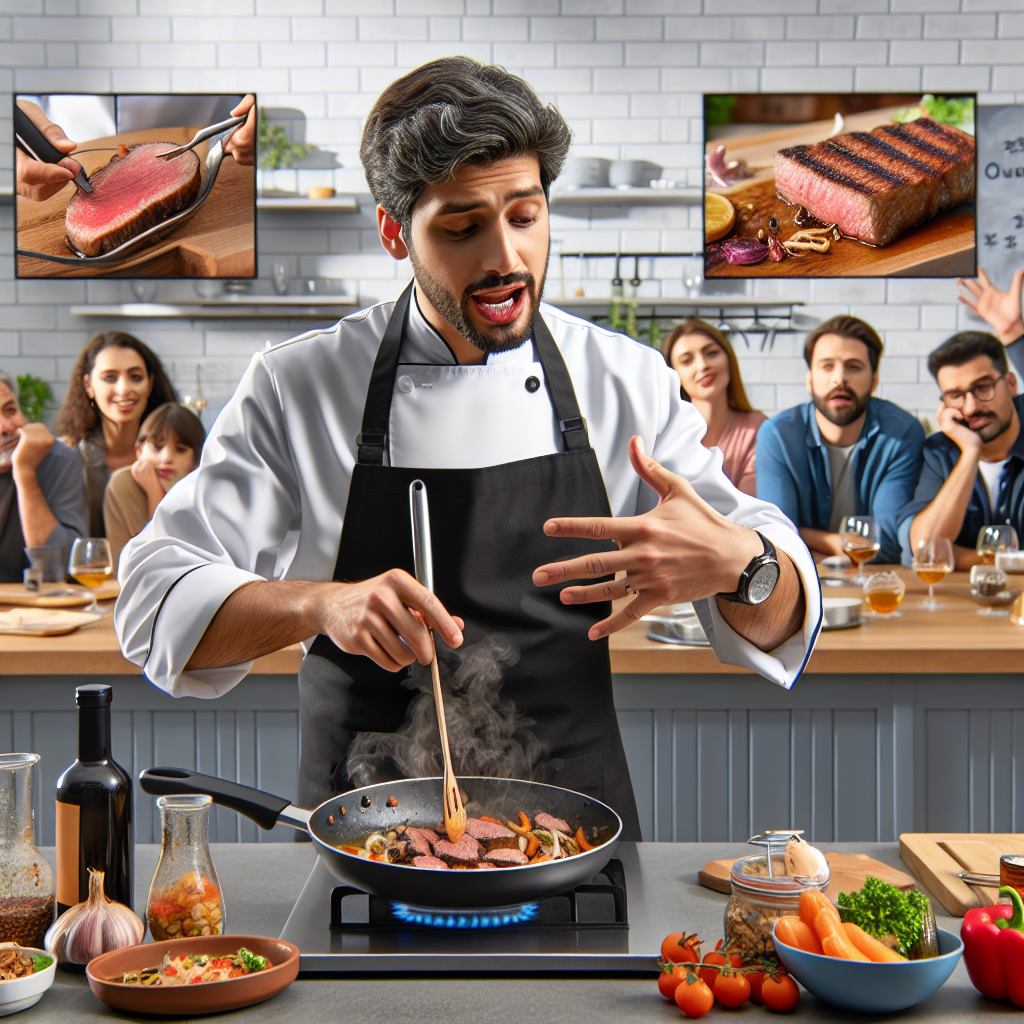
Searing and resting. Heat, color, and patience. Get your pan very hot, dry the protein with paper towels, then sear for a minute or two per side until deeply browned. Then rest. Carryover cooking finishes the job while juices redistribute. This beats overcooking every time.
Pan sauces. After you sear, don’t toss that browned fond (those tasty bits stuck to the pan). Deglaze with a splash of wine, stock, or even water. Scrape, reduce, and finish with a knob of butter or a spoonful of cream for a glossy, fast sauce that tastes like a restaurant.
Compound butters and finishing salts. A simple way to elevate: mix room-temperature butter with herbs, lemon zest, or miso. Chill, slice, and place on grilled meat, fish, or roasted veg. Instant richness and flavor contrast.
Quick pickles and acid. Brightness changes everything. A 10-minute pickle (vinegar, salt, sugar, hot water) tempers strong flavors and refreshes the palate. Use for onions, cucumbers, or carrots alongside heavy mains.
Sous-vide-lite (no fancy gear required). You don’t need an immersion circulator to get vacuum-like results. Use a zip-top bag, push out air, and cook gently in a simmering water bath on the stove or oven at a low temperature. It buys you margin for error and is great when dinner needs to wait for kids’ practice.
## Make these techniques work for busy families
Batch adapt: double recipes when you can. Sear two nights’ worth of chicken at once, then finish one in the pan and freeze the rest for lunches.
Sheet-pan and one-pan thinking: use high-heat roasting to get caramelization across proteins and veg together. Toss with a finishing butter or quick pan sauce for depth.
Pick one new technique per week. Try pan sauces on Monday, make compound butter on Thursday — small, repeatable wins build confidence faster than trying everything at once.
Low-tech swaps: no wine for deglazing? Use apple juice, balsamic, or broth with a squeeze of lemon. No immersion circulator? Poach in a tightly covered pot at a steady low temp and a thermometer.
## Common traps (and how to dodge them)
Overcrowding the pan. When you cram too much in, items steam instead of brown. Work in batches or use a larger pan.
Under-seasoning early. Salting at the right times layers flavor; a light seasoning before searing and a final adjustment after resting is a good rule.
Skipping the rest. Cutting into meat immediately loses juices. Give proteins 5–10 minutes to settle.
Overcomplicating excuses. You don’t need perfect plating to taste better. Flavor trumps flourish. Start with taste-first habits and add polish later.
## Quick tips checklist
– Preheat the pan until it’s almost smoking for a true sear.
– Dry proteins well with paper towels to promote browning.
– Save the pan fond; deglaze for fast, delicious sauces.
– Finish sauces with butter or a splash of cream for gloss and richness.
– Make a compound butter once and use it all week.
– Quick-pickle anything crunchy to brighten meals.
– Use a thermometer to take the guesswork out of doneness.
– Roast veggies at high heat (425–450F) for deep caramelization.
– When in doubt, rest: it’s cheap and forgiving.
## Closing takeaway
Restaurant techniques are just solutions to kitchen problems — control, timing, and flavor — and you can adopt them one small step at a time.
What one technique will you try this week to make dinner feel a little more like a restaurant at home?

