
 # From Stove to Scroll: How to Plate Like a Pro and Share Your Food Without the Drama
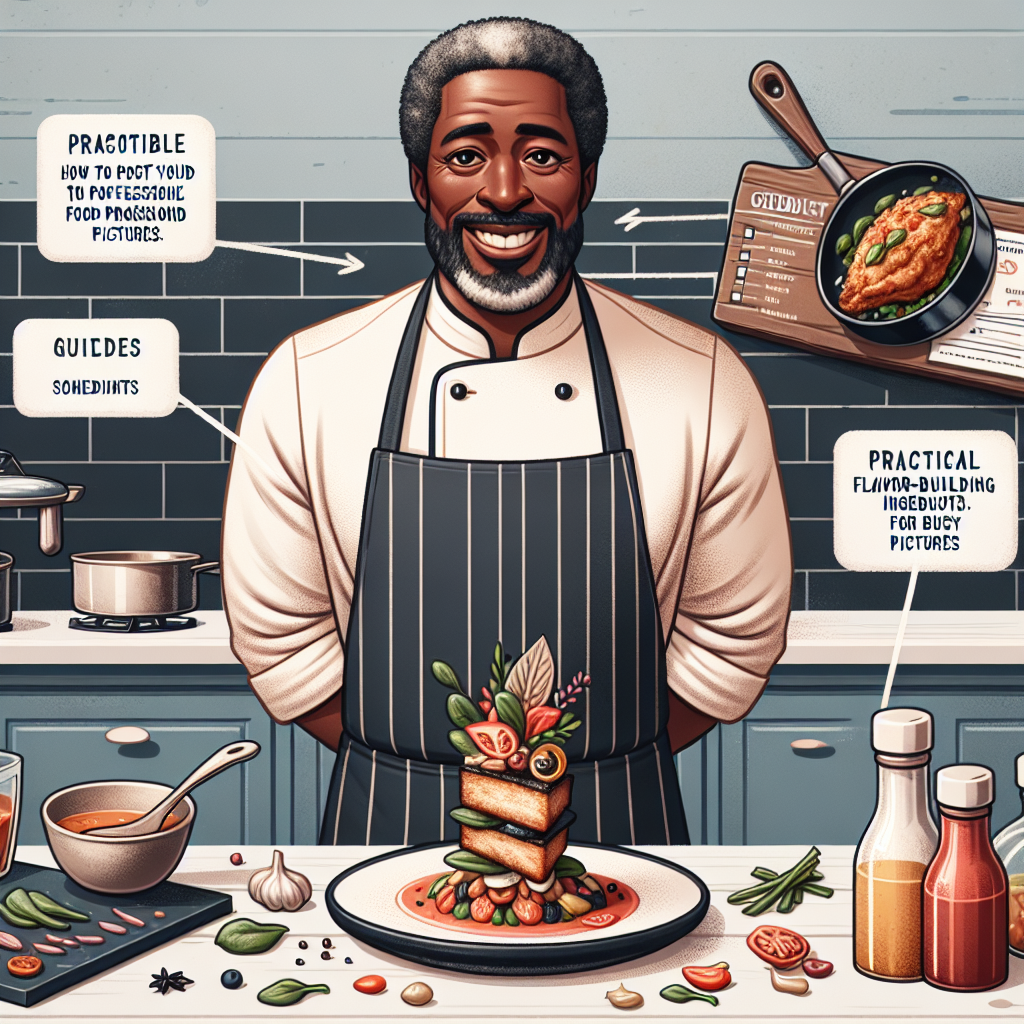
You cooked something delicious and it looks amazing — congratulations. Maybe it was a quick scallop ceviche, a roast duck midweek, or a saucy romesco-topped pork chop. That small triumph deserves both a sensible plate and a share that doesn’t start a comment pile-up. I’m Chef Mac, and I want to show you the how and the why behind a plate that reads intentional and a post that respects the people you share it with.
## Plate like a pro (without the fuss)
Start simple: pick a focal point. Your main protein — scallops, pork, duck — is the headline. Place it slightly off-center. Asymmetry is an easy aesthetic trick because our eyes prefer tension and movement over perfect symmetry.
Use height. Layering creates drama: a stack of sautéed apples beside a walnut-crusted duck, or a crisp pastry cylinder leaning against a fillet. Height catches light, casts small shadows, and gives a photo dimension without fussy tricks.
Contrast colors and textures. A silky red-wine reduction beside roasted beets or sharp pickles next to a fatty cut keeps both the eye and palate engaged. Texture is flavor too — crunchy, silky, acidic, bitter — each one changes how we perceive the others.
Garnish with purpose. A swipe of herb oil, a handful of microgreens, or a crumb of toasted walnut signals intention. But keep it curated: one or two accents, not a bouquet.
## Why these techniques work (the sensory and psychological nuts and bolts)
There’s an anatomy to how we eat with our eyes:
– Visual hierarchy: The eye looks for a focal point. Make that the nicest piece on the plate and guide the gaze with negative space.
– Contrast equals interest: Humans read contrast faster than sameness. Color and texture contrasts make a dish look lively and, often, taste more balanced.
– Height and shadow: A little elevation creates depth. Photographically, that means separation between elements and clearer contours.
– Freshness and restraint: Sparse garnishes or a bright sauce indicate freshness and restraint — signals our brain equates with care.
On the palate, balancing fat, acid, salt, and texture keeps each bite interesting. A fatty duck wants an acid or crunch to cut through; a delicate scallop craves bright citrus and a whisper of umami.
## Flavor-building blocks you can mix and match
Think of components you can reuse all week. These are multipurpose and instantly elevate ordinary plates.
– Citrus + umami for seafood: Yuzu, lime, or passion fruit with a touch of mirin or light soy brightens delicate proteins. Acid both cooks and seasons in quick crudos.
– Crunch + richness for meats: A walnut or panko crust adds tooth against silky meat. Mustard or miso acts as glue and flavor.
– Roasted veg + jam: Roasted squash, beet, or carrots with a dollop of apricot or persimmon jam offer sweet-savory counterpoint.
– Bright sauce: A small jar of romesco, cilantro-jalapeño oil, or quick red-wine reduction will dress plates all week and pull disparate elements together.
Why these blocks? They’re about contrast and repeatability. Once you understand one bright acid, one crunchy element, and one binding sauce, you can assemble plates quickly and with confidence.
## Weeknight shortcuts and family-friendly swaps
You don’t need a brigade to look intentional.
– Buy smart shortcuts: Pre-washed microgreens, store puff or phyllo, jarred romesco, and quality preserves are kitchen allies.
– Make one element special: If the protein gets the pro treatment, keep sides simple and crowd-pleasing — quick-pickles, mashed potatoes, or sautéed greens.
– Scale without losing character: Slice proteins thin and serve family-style over rice or mash so everyone gets a little of the indulgence.
Practical tip: quick pickles (thinly sliced kohlrabi or cucumbers in 1 part vinegar, 1/2 part water, a pinch sugar and salt) transform texture and add a bright counterpoint in 15 minutes.
## Photographing and posting: the friendly PSA
Sharing is part of the pleasure, but communities and feeds run smoother when we follow a few rules.
– Read the rules: Different groups want different things — title formats, number of images, flair. A few seconds saves moderators time and your post from being removed.
– Include the basics: Say what it is, one sentence about how you made it, and any unusual ingredients or shortcuts.
– One great image > many okay ones: Natural light, minimal clutter, and a straight-on or 30-degree angle usually wins.
– Be honest and generous: Label weeknight shortcuts and credit restaurant inspiration or recipes that aren’t yours.
– Respect copyright: Don’t repost a restaurant plate or recipe without permission or credit.
Caption idea: Keep it short and specific — ‘Walnut-crusted duck, quick-pickled kohlrabi’ — so people know what’s interesting at a glance. Hashtags help find your crowd, but follow group conventions first.
## A couple of tiny, useful recipes (because practice tastes better than theory)
Quick scallop ceviche (serves 2)
– Thinly slice 8–10 large scallops. Toss with juice of 1 lime, 1 tsp mirin, and a pinch of salt.
– Add diced cucumber, paper-thin red onion, and a small diced jalapeño.
– Finish with cilantro oil (blend cilantro, olive oil, salt) and a spoonful of passion fruit if you have it.
Weeknight walnut-crusted duck-ish plate (serves 2–3)
– Score skin, sear duck skin-side down until crisp, finish in a 375°F oven 6–8 minutes. Rest.
– Mix chopped walnuts + panko + salt; press onto the warm seared surface and toast quickly if needed.
– Roast beets or pumpkin at 400°F for 20–25 minutes. Quick-pickle kohlrabi for 15 minutes. Serve with sautéed apples or a small red-wine pan sauce.
## Takeaway from Chef Mac
Restaurant-looking food doesn’t require restaurant hours or gear — it asks for clarity of choice. Pick a focal protein, add one crunchy or acidic contrast, use one bright sauce, and garnish with purpose. When you share, be honest, follow the group rules, and choose one excellent photo. A little attention goes a long way, on the plate and in the feed.
Time to get playful: what simple swap will you try this week to add contrast or height to a weeknight plate?

