
 # Stirring the Pot with Chef Mac: Why One New Dish a Week Works (and How to Make It Stick)
If your weeknight rotation has slipped into autopilot — pasta on Monday, tacos on Tuesday, “mystery fridge” on Friday — a little structure with a lot of flexibility can be surprisingly freeing. The 52-week cooking list hands you a concept each week (from “Rice” to “Monastic” to “Idioms”) and, crucially, tells you it’s okay to bend the rules. That’s not permission to do nothing; it’s permission to experiment without pressure. As a chef, I’ve watched diners and home cooks find joy in constraints. A single idea focuses creativity. Here’s why this works and how to turn it into practical, delicious habits.
## The why: Cooking as a weekly ritual, not a test
Humans learn by repetition and variation. A weekly prompt gives you repetition (a predictable nudge) and variation (a different flavor profile or method every seven days). It transforms dinner from a stressor into a prompt: think of the theme as a tiny creative brief, not a final exam.
Culturally, these prompts nudge curiosity. Weeks like “Central Asia” or “Idioms” invite you to read and taste across borders without needing perfect authenticity. The goal is exposure and delight — to let your family meet new textures and spices, and to see old favorites in a new light. That’s how culinary horizons widen: one approachable dish at a time.
## The how: Technique-focused shortcuts that actually teach
You don’t need hours or special equipment to get big flavor. The techniques below are chosen because they teach transferable skills while delivering fast results.
– One-pot building (plov/pilaf, stews): Start by browning protein and caramelizing aromatics (onion, carrot). Browning — the Maillard reaction — creates deep flavor. Deglaze with stock or water to lift those browned bits, then add rice or legumes and simmer undisturbed. The technique teaches patience and timing: low simmer, covered, until liquid is absorbed.
– Quick steaming and pan-frying (manti/dumplings): Steaming preserves juiciness and is forgiving. Pan-frying then steaming (potsticker method) gives crisp bottoms and tender tops — great for using store-bought wrappers. This teaches you to control temperature and moisture.
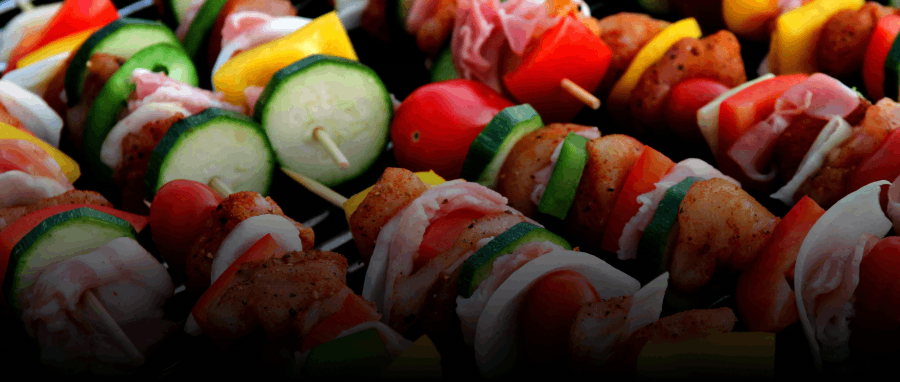
– Sheet-pan roasting (shashlik/vegetables): High, dry heat concentrates flavor and caramelizes sugars. Tossing everything on one tray minimizes cleanup and shows how spice blends and acids (lemon, yogurt) brighten roasted meat and veg.
– Shortcut thickening (Japanese curry, ragù): Roux blocks, cornstarch slurry, or a splash of cream can quickly adjust texture. These are your quick-dinner tricks that teach how texture affects perception of richness.
– Noodle swaps (lagman with udon): Learning to match noodle type to sauce — thick noodles for hearty stews, thin for light broths — trains your palate and timing habits (don’t overcook the pasta; finish in the sauce).
## Practical pantry, gear, and time-saving rules
– Pantry essentials: rice, canned tomatoes, dried lentils/chickpeas, good olive oil, soy sauce, cumin, coriander, smoked paprika, raisins or dried apricots, stock cubes, lemons/limes.
– Keep these shortcuts ready: store-bought dough, rotisserie chicken, frozen dumplings, pre-cooked rice. Using them teaches you composition and seasoning — the true professional skills.
– One good pan and a sheet tray will replace half your gadget drawer. A heavy-bottomed pot for braises and an ovenproof skillet for sears are invaluable.
– Batch-cook proteins (pulled chicken, roasted tofu) and grains on weekends so assembly during the week becomes a five-minute job.
## Cultural context: Respectful curiosity over culinary perfection
When you explore regional weeks — Central Asia, Southeast Asia, West Africa — aim to honor the spirit, not replicate a restaurant plate. Central Asian plov, for instance, is a communal, celebratory dish with specific textures and aromatics. A weeknight plov that uses chicken, carrots, cumin, and raisins captures the spirit of the dish and introduces your family to new textures. You’re learning technique (one-pot flavor layering) and cultural context (food meant to be shared), which is what matters most.
Idioms week is a different kind of cultural play: it’s language on a plate. It teaches you to think conceptually — a “smashed” salad means texture and technique; a “going bananas” dessert is about flavor pairing and balance. These playful prompts lower stakes and increase creativity.
## Sensory cues to guide you
Chef work is listening with your hands and nose. A few sensory checkpoints will save dinners:
– Aromatics: onions should smell sweet and lightly browned, not bitter. Caramelization signals depth.
– Salt: season in layers. Taste at the end and adjust; salt is the fastest way to bring brightness.
– Texture: aim for contrast — crisp roasted veg with tender meat, or chewy dumpling skins with a juicy filling.
– Acidity: a squeeze of lemon, vinegar, or yogurt at the end wakes flavors up. Don’t skip it.
## Kid- and time-friendly ways to make it stick
– Make it a choose-your-own-adventure: let a child pick the theme, another pick the side.
– Keep roles simple: measuring, tearing herbs, or plating. Small tasks build food literacy.
– Turn leftovers into new dishes: roasted veg becomes a tart, leftover plov into stuffed peppers. Repurposing teaches thrift and creativity.
## Quick menu examples to try this week
– Weeknight Plov: brown chicken, sweat onion and carrot, add rice and stock, simmer low. Finish with raisins and cilantro.
– Lazy Manti: use wonton wrappers + ground lamb or spiced lentils; steam or pan-fry and top with yogurt and sumac.
– Simmering Curry Meatballs: buy curry roux or use paste; poach meatballs in the sauce and serve over rice.
Each of these practices a technique — one-pot layering, steam/pan-fry combo, and sauce finishing — that will serve you on any future theme.
## Final thoughts from Chef Mac
This 52-week prompt isn’t a checklist to perfection; it’s a permission slip to play. The real win is not that you’ll master every cuisine, but that you’ll become more confident reading recipes, diagnosing a sauce, and building flavor from simple ingredients. Use shortcuts, learn the why behind each step, and treat the kitchen like a lab where small experiments yield big rewards. It’s thyme to get serious about fun.
So: which week will you pick first, and what small technique are you excited to try or perfect in your own kitchen?

