
 # Weeknight Dinner Remix: Why quick meals can still be soulful
Short on time but craving something homemade is the new normal for many families. Between late meetings, after-school activities, and the endless shuffle of errands, dinner needs to be fast, forgiving, and tasty. That doesn’t mean dialing for takeout every night — it means leaning into techniques that give maximum flavor with minimal fuss. In this piece I unpack the how and why behind four dependable weeknight meals: oven-baked BBQ chicken with home fries, seared steak tortillas, a cozy tofu stew with Cantonese roast pork flair, and pan-seared cod with lemon-butter sauce.
## The trend at a glance: building blocks over recipes
What I see in home kitchens now is less slavish recipe-following and more modular thinking: roast-protein + simple starch + one bright veg = dinner. That approach respects time, works with leftovers, and invites customization for picky eaters or adventurous palates. Each of the four dishes below illustrates a useful technique — roasting, high-heat searing, one-pot simmering, and pan sauce building — that you can mix-and-match the rest of the week.
## 1. Oven-roasting: hands-off caramelization
Why it works: roasting at a high temperature concentrates flavors while requiring little attention. The BBQ chicken legs and crispy home fries are a perfect example.
Technique highlights:
– High heat (around 425°F / 220°C) encourages Maillard browning on both skin and potatoes. That brown edge = flavor.
– Space items so air circulates. Overcrowding steams food instead of crisping it.
– Use two sheets if possible: one for potatoes, one for chicken. Different mass and moisture means they often need slightly different positions or times.
– Finish chicken under a hot broiler or with extra sauce in the last few minutes for that sticky, slightly charred edge kids love.
Practical tip: toss the potatoes halfway through to expose new surfaces to the heat. For even less fuss, par-boil larger potatoes for 5 minutes before roasting to speed crisping.
## 2. Searing and quick assembly: speed with textural contrast
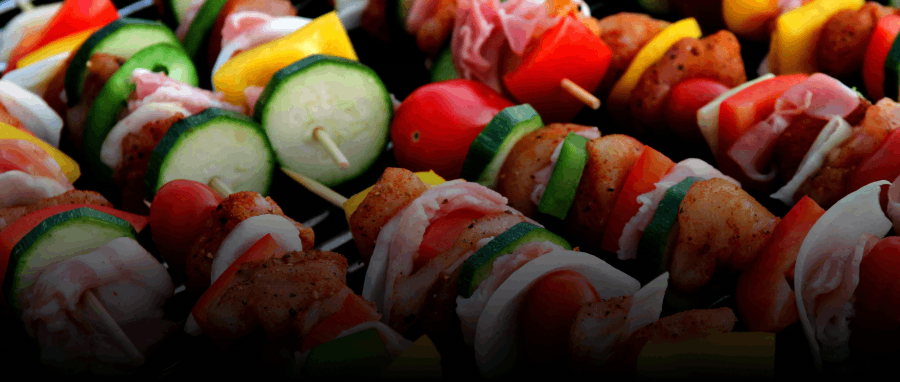
Why it works: high-heat searing gives you browned, flavorful meat in minutes. The viral beef tortilla skewers show how quickly a skillet can transform thin steak into something celebratory.
Technique highlights:
– Get the pan screaming hot and use just enough oil to coat the surface. Thin slices take seconds; don’t crowd the pan or you’ll drop the temperature.
– Rest briefly after searing — even a short pause lets juices redistribute.
– Bright finishes (lime, cilantro, a drizzle of salsa) balance the meat’s richness and let each eater customize their plate.
Swap idea: warm the tortillas directly on the pan after removing the meat so they pick up fond and heat through.
## 3. One-pot simmering and layering umami
Why it works: one-pot stews concentrate flavors and are forgiving. The tofu stew with Cantonese-style roast pork is a masterclass in using leftovers to up the umami.
Technique highlights:
– Press firm tofu briefly to remove excess water so it sears and holds shape.
– Sear tofu first to develop a golden crust — texture matters in stews.
– Use the roast pork or char siu as a flavor accelerator. If you want a vegetarian version, add a spoon of miso or a splash of mushroom soy to mimic that depth.
– A cornstarch slurry is a kitchen shortcut to thicken and give the stew a silky mouthfeel. Add slurry gradually to avoid over-thickening.
Cultural note: char siu is Cantonese roast pork known for its sweet-savory glaze. In a stew it acts like an instant stock cube — small amounts translate to big flavor. This is a beautiful example of culinary recycling, honoring ingredients across meals.
## 4. Pan-saucing fish: fast, bright, and elegant
Why it works: pan-seared cod with lemon-butter sauce turns a quick protein into something that feels restaurant-worthy.
Technique highlights:
– Pat fish very dry to ensure contact with the hot pan for proper sear.
– Moderate-to-high heat keeps the exterior crisp while the inside stays tender. Fish cooks fast — 3–4 minutes per side is usually enough for 4–6 oz fillets.
– Finish the pan with butter, garlic, and lemon. The butter-rich sauce picks up the fond and trims the fish with acid.
– Avoid overcooking. Fish continues to cook off-heat a little (carryover), so pull it when opaque and slightly translucent in center.
Practical tip: if you’re short on time, cook fish while couscous or quinoa steam — both are speedy, minimal-fuss sides.
## Practical wisdom for busy cooks
– Batch parts, not whole meals: roast a tray of potatoes for two nights, grill extra steak, or double the tofu and reuse it in salads.
– Use heat to your advantage: roast + sear + simmer each have predictable timelines you can stack. Start the longest item first, then move to quicker pans.
– Clean-as-you-go: keep a bowl for scraps and wipe pans while others are in the oven. Minimal cleanup makes cooking feel lighter.
– Kid-friendly plating: keep sauces on the side. Let kids assemble tacos or skewers — it’s dinner and a mini activity.
– Flavor memory: small additions (toasted sesame oil, a squeeze of citrus, or a crumble of feta) can transform leftovers into something new.
## Why this matters beyond convenience
These recipes speak to a larger shift: families want meals that meet varied needs — nutrition, speed, pleasure, economy — without losing soul. Using simple techniques to build layers of flavor lets home cooks deliver satisfying plates that are also flexible. The result is less stress, more shared meals, and the occasional delightful discovery when a leftover turns into a star.
So, here’s the invitation from my kitchen to yours: pick one technique this week — a roast, a sear, a quick stew, or a bright pan sauce — and remix a leftover into something fresh. Which technique will you try first, and how will you remix it to make dinner feel like your own?

