
 # Stirring the Pot with Chef Mac: Making Weeknight Meals Feel Special
There’s a small, glorious moment in every busy evening when the timer dings, the house smells like dinner, and everyone actually sits down together. I call that the kitchen win. The four recipes below — barbecue chicken with home fries, viral beef tortilla skewers, a tofu-and-roast-pork stew, and pan-seared cod with lemon butter — are engineered for that win: minimal drama, maximum comfort, and a little bit of restaurant polish without the fuss.
Why these dishes work, in one sentence: they lean on simple, reliable techniques (roasting, high-heat searing, gentle simmering) and smart flavor drivers (acid, salt, caramelization, and umami) so you get satisfying results every time.
## 1) Oven-Baked Barbecue Chicken Legs + Home Fries — One pan, big payoff
Technique highlights: sheet-pan roasting, par-cooking potatoes, glazing.
Why it works: sheet-pan dinners are about timing and texture. Getting crispy chicken skin and golden potatoes simultaneously comes down to two things: dry skin and even potato pieces. Pat the chicken dry, use skin-on legs or thighs, and cut small potatoes into uniform pieces so they roast at the same rate.
The secret move: roast the potatoes for 10 minutes first, then add the chicken and finish with a glossy sauce. That head start means the potatoes get properly browned while the chicken finishes through and the sauce caramelizes without burning. If you’re short on time, parboil the potatoes in the morning so the oven only has to finish them.
Sensory cue: you want browned, slightly crisp edges on the potatoes and a sticky, caramelized glaze on the chicken — not a blackened sauce.
Quick tips:
– Use smoked paprika or a dash of cayenne to add warmth to the potatoes.
– For crispier skin, try a hot oven (425°F/220°C) and finish under the broiler for 1–2 minutes, watching closely.
– Swap-ins: drumettes, thighs, or sweet potatoes for a sweeter twist.
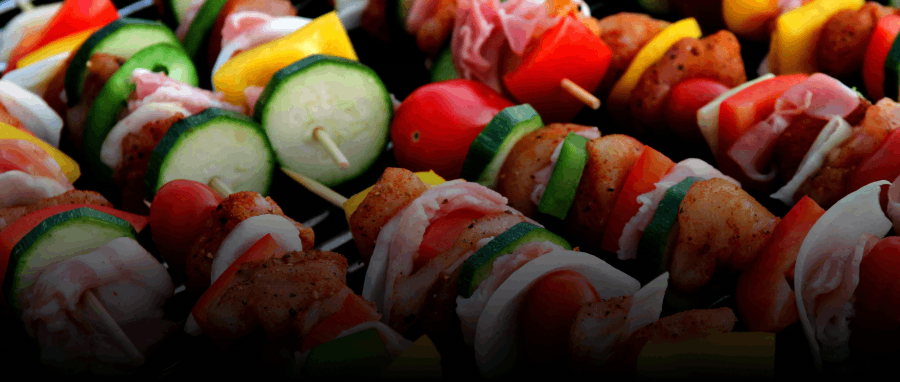
## 2) Viral Beef Tortilla Skewers — Tacos on a stick, optimized
Technique highlights: quick marinade, high-heat sear, tortilla crisping.
Why it works: thinly sliced steak and a hot pan equal rapid Maillard browning — that toasty-wonderful flavor we crave. Adding tortilla strips to the skewer and searing gives you textural contrast: tender meat and slightly crisped tortilla edges.
The how and why:
– Slice across the grain thinly (flank or skirt steak). Thin slices cook quickly and stay tender when cut across the muscle fibers.
– A 10–15 minute marinade is all you need for flavor — think lime, a little oil, garlic, and taco seasoning. Acid from the lime brightens, oil carries fat-soluble flavors.
– Cook over high heat so the meat gets a quick sear without stewing. The tortillas should char at the edges and hold onto a little crunch.
Practical notes:
– Alternate meat, tortilla, and pepper on short skewers so each bite is layered.
– Serve with lime wedges, salsa, and a cooling yogurt sauce.
– Vegetarian swap: halloumi or thick portobello slices take the place of beef and give satisfying chew.
## 3) Tofu Stew with Cantonese-Style Roast Pork — Umami-forward comfort
Technique highlights: gentle simmering, tofu handling, umami layering, cornstarch slurry.
Why it works: this is a stew that celebrates texture and savory depth. Roast pork (siu yuk or char siu) brings fatty, caramelized bites; tofu soaks up the broth and creates soft contrast. The result is comforting, quick, and perfect for stretching leftovers.
Key technique pointers:
– Choose the right tofu: soft or medium-firm tofu will give tenderness without falling apart. Handle gently and add it toward the end of cooking.
– Sweat aromatics (garlic, ginger) first to release fragrance. Then build the broth with stock, soy sauce, and a touch of oyster sauce or mushroom sauce for vegan depth.
– Simmer gently. Boiling will break tofu and toughen meats. Aim for a low simmer where bubbles barely move.
– To thicken: mix cornstarch with a little cold water and stir into the simmering stew — it will turn the broth glossy and cling to the ingredients.
Cultural context: blending leftover siu yuk or char siu into a homey tofu stew is a classic Chinese-family approach — respectful of the roast’s flavors and economical. If you don’t have roast pork, smoky bacon or leftover roast chicken can play the role.
Serve with steamed rice or simple noodles and finish with scallions and a drizzle of toasted sesame oil.
## 4) Pan-Seared Cod with Lemon Butter Sauce — Restaurant feel, home speed
Technique highlights: patting dry, hot-pan searing, butter-quick sauce, timing.
Why it works: fish is mostly about timing. Dry the fillet so it sears instead of steams; use a hot skillet and give it space so the surface browns. While it rests, the pan makes a one-minute sauce of butter, garlic, and lemon that elevates the whole dish.
Pro tips:
– Thickness rule: thicker fillets need lower heat and a longer finish in the oven; thin fillets do well entirely on the stovetop.
– Avoid overcooking: the fish should flake with a fork but still feel moist. Remember carryover cooking — remove from heat just before it looks done.
– For dairy-free: swap butter for good olive oil and finish with lemon and capers for brightness.
Sensory note: a nutty, slightly browned butter with bright lemon and a hit of garlic is what makes this feel restaurant-worthy.
## Practical meal-planning wisdom (the blueprint)
– Batch components: roast a sheet of potatoes, cook rice, or roast a pan of veggies on the weekend — these are your weekday building blocks.
– Use smart shortcuts: pre-cut veg, rotisserie chicken, and store-bought sauces aren’t cheats; they’re time-management tools.
– Involve kids: set up easy tasks — tossing potatoes, brushing BBQ sauce, threading peppers — for quick help and happy eaters.
– Swap freely: these recipes tolerate changes. Different proteins, plant-based alternatives, or seasonal veggies will still work because the techniques are forgiving.
## Final thoughts from Chef Mac
Cooking like this is less about rigid recipes and more about understanding a few repeatable moves: dry for browning, high heat for sear, gentle heat for tenderizing, and acid for balance. Once you have those down, making food that feels special on a weeknight becomes a habit, not a miracle.
So, what will you try first — will you roast, skewer, simmer, or sear tonight, and how will you make it your own?

