
 # Stirring the Pot — Chef Mac
There’s a particular kind of satisfaction that comes when a weeknight meal lands: a forkful that makes everyone pause, a sauce that finally thickens, a golden crust that crackles. Over the last few years I’ve noticed those kitchen victory laps increasingly happening in tiny, looped videos — GIFs — shared on communities like r/GifRecipes. They’re short, immediate, and oddly intimate. You don’t just read how a dish is made; you watch the exact moment it becomes itself.
Why that matters goes beyond novelty. GIFs act like a concentrated lesson: they compress technique, timing, and visual cues into a form your hands can mimic later. For busy families and home cooks, this is a game-changer. Let’s unpack the how and the why — the techniques behind the classics and the practical wisdom for turning your weeknight wins into shareable lessons.
## GIFs: tiny lessons, big impact
A well-shot GIF does three things: it isolates a single action, it repeats that action, and it gives you a visual anchor to return to. Our brains learn motor skills better from seeing a motion than reading about it. Want to know how glossy a sauce should be to tell it’s done? Watch someone whisk it at the right moment. Wonder when a roast is fork-tender enough to shred? The fork sliding in says more than a sentence.
That’s why communities centered on short clips democratize technique. You don’t need culinary school — you need a well-lit phone, a steady hand (or tripod), and an appetite for sharing what worked.
## Technique breakdown: three comfort classics, explained
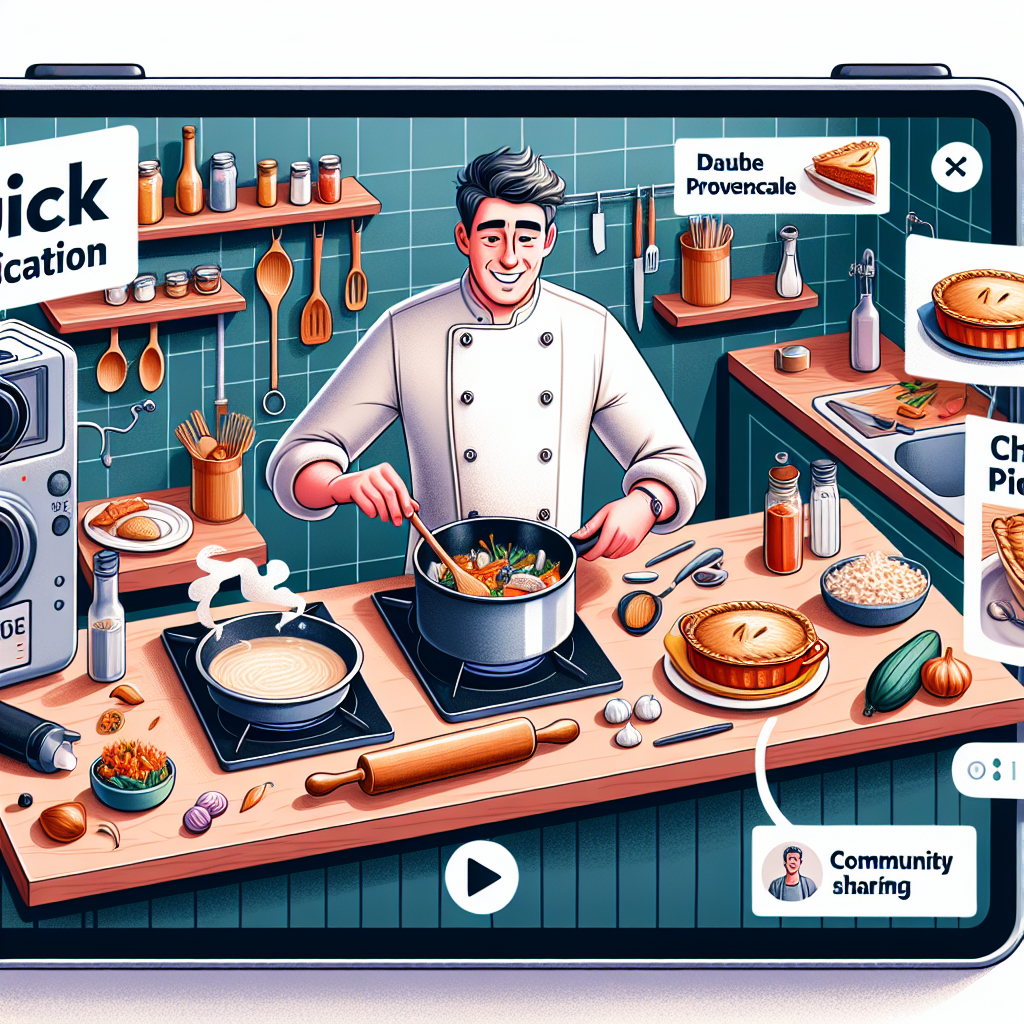
Below I break down the culinary logic behind Daube Provençale, chicken pot pie, and shepherd’s pie — what to watch for in a GIF and how to simplify them for weeknights without losing soul.
### Daube Provençale (braise made practical)
Why it works: Traditional daube turns tough connective tissue into silky gelatin through long, slow cooking. The magic is collagen breaking down into gelatin, which gives body and mouthfeel.
How to shortcut without losing depth:
– Sear for Maillard flavor. Brown small batches of beef to build deeper flavor; don’t overcrowd the pan.
– Pressure-cook smart. In an Instant Pot, sear on Sauté, deglaze with a touch of wine or stock (the browned fond carries flavor), add aromatics (bay, thyme, garlic), tomatoes, and olives. Cook 35–45 minutes at high pressure depending on cut thickness. Natural release for 10 minutes helps keep the meat tender.
– Finish for shine. Reduce the braising liquid until it coats the back of a spoon or whisk in a small pat of butter to finish the sauce and gloss it right before serving.
What to GIF: the fond being deglazed (watch how the liquid lifts browned bits), the pressure-release steam, and the fork easily shredding the meat.
### Chicken pot pie (comfort condensed)
Why it works: Pot pie is texture play — creamy filling against a flaky or pillowy top. Your starch-to-liquid ratio in the filling is the key.
Simple technique notes:
– Roux ratios. Start with equal parts butter and flour (by weight is ideal; by eye, a tablespoon each). Cook briefly to remove the raw flour taste but don’t brown unless you want a nuttier base.
– Liquid balance. For a thick, spoonable filling, aim for about 1 part roux to 2–3 parts liquid (stock + milk). Add shredded rotisserie chicken and frozen veggies to speed assembly.
– Pastry tips. Let pastry rest chilled before baking so it puffs. Egg wash gives color; a few slits vent steam and keep the crust from getting soggy.
What to GIF: the roux turning glossy when milk is added, the filling bubbling at the edges, the first slice revealing steam and layers.
### Shepherd’s pie (one-pan, crowd-pleasing)
Why it works: It’s a layered comfort dish where savory, well-seasoned filling meets creamy, slightly crisped potato. The flavor is less about bells and whistles and more about seasoning at each stage.
Technique shortcuts:
– Build umami. Brown your meat (or mushrooms + lentils) well and season during cooking, not just at the end. Grated carrots add sweetness without long cooking, and frozen peas add pop and color.
– Speedy mash. Microwave or pressure-cook potatoes until tender, mash with butter and a splash of milk or Greek yogurt for tang and silkiness.
– Browning finish. Dot the mash with butter or run under a broiler for a minute to get golden peaks.
What to GIF: the bowl of mash being fluffed with butter or a spoon tearing into the finished top to show steam and a saucy edge.
## Filming and sharing — make your technique GIF-friendly
A few practical tips that make your clip useful to others:
– Keep clips short (7–12 seconds hits the sweet spot). Focus on one clear action.
– Stabilize the frame: a simple phone tripod or a leaned-up book will do.
– Light matters: natural side light or a soft overhead keeps color true and textures inviting.
– Caption with specifics: time, temperature, substitutions. Little details (which cut of beef, exact pressure-cook time) are gold.
Uploading is simple: record a focused short clip, use the subreddit’s Make GIF option when posting, and add a brief caption with timing and substitutions.
## Cultural context: why sharing comfort food matters
Comfort food is ritual and memory. Shepherd’s pie and pot pie have family-layered histories; daube carries terroir from Provence. Sharing these dishes in GIF form compresses that ritual into a teachable moment. It’s not just recipe-sharing — it’s passing on methods, adaptations, and the permission to improvise.
Online communities have shifted culinary authority. Where once cookbooks and restaurants set the standard, now a parent who discovered a faster mash technique or a college cook who turned leftovers into a great pie can set a trend. That democratization makes deliciousness more resilient and adaptable to different kitchens and budgets.
## Practical meal planning advice from the line
– Cook once, stretch twice: braises and fillings store and reheat beautifully. Freeze in portion-sized containers.
– Do assembly nights: chop, brown, and make sauces ahead. On busy evenings you’re mostly reheating and assembling.
– Involve helpers: kids can tear herbs, mash potatoes, or pat pastry. Teaching small tasks builds skill and buys time.
## Takeaway
GIFs aren’t a gimmick — they’re a focused way to transfer tacit kitchen knowledge: the flick of a wrist when you finish a sauce, the exact moment a crust goes golden, the fork sliding through tender meat. r/GifRecipes and communities like it are modern kitchen counters where we teach each other, one short loop at a time.
So here’s my question for you, my fellow weeknight warriors: what single step from your go-to comfort recipe would you GIF to teach someone else — and which dish are you most excited to rework and share?

