
 # From Butcher’s Block to Your Kitchen: A Friendly Guide to Safety, Gear, and Growing Skills
Chef Mac here — welcome to the kind of kitchen conversation that trades a little legend for a lot of useful technique. Picture a Saturday morning: a cooler full of game or a bulk beef delivery, a warm kitchen filled with coffee, and a family who wants dinner to be easy come Monday. That sweet spot between safety, smart tools, and steady training is where good food—and confident cooks—are born.
Why this matters
There’s a strong cultural thread tying hunters, backyard cooks, and family meal planners together: a desire to control what’s on the plate. Whether it’s respect for the animal, a budget-minded meal plan, or the pride of a homemade sausage, the impulse is the same. But that pride needs structure. Without basic food-safety habits, the best intentions can end in waste or risk. Without the right tools, the job turns into a slog. And without small-but-solid training moments, skills don’t stick.
Keep the community kind (and useful)
Cooking communities—online forums, Facebook groups, the person down the road with decades of experience—are gold. They’re only as helpful as they are civil.
– Be respectful. Advice travels farther and faster in a kind tone. Trade tips, not insults.
– Be realistic. A photo and a few lines rarely tell the whole food-safety story. Temperature, time, packaging, and storage history matter. If something looks or smells off and you can’t verify its past, it’s safer to toss it or consult a pro.
The takeaway: community wisdom is powerful when it’s generous and cautious.
Choosing the right meat grinder for your needs
Think of a grinder like a vehicle: pick it to fit the job and the distance you plan to travel.
– Match capacity to workload. A small household that grinds deer once in a while can be thrilled with a compact electric or a heavy-duty manual grinder. If you’re processing whole cattle or making sausage in bulk, aim for a commercial-style unit with more power and throughput.
– Prioritize build and serviceability. Stainless parts where possible, easily changed plates (coarse to fine), and a reverse function to clear jams save time and headaches. A wide feed throat reduces prep time.
– Technique tip: chill meat and blades. Cold meat and cold fat keep the grind clean. When fat softens, it smears and gumms up the plate, which changes texture and increases warming—two things we don’t want.
– Keep spares and a plan. Extra plates, a brush for cleaning, and a simple maintenance routine keep machines humming.
A little gear note: a grinder is more versatile than you think. From burgers to sausage to finely textured taco meat, it’s a multipurpose appliance that pays back in variety and quality.
Training people (and family members) without eating your schedule
Teaching feels like something you need a whole shift for—but you don’t. Micro-training is the secret sauce.
– Micro-sessions: reserve 15–30 minutes for a single skill. Practice knife grip one day, trimming a roast another, then grinding basics the next. Small, focused bursts beat marathon training.
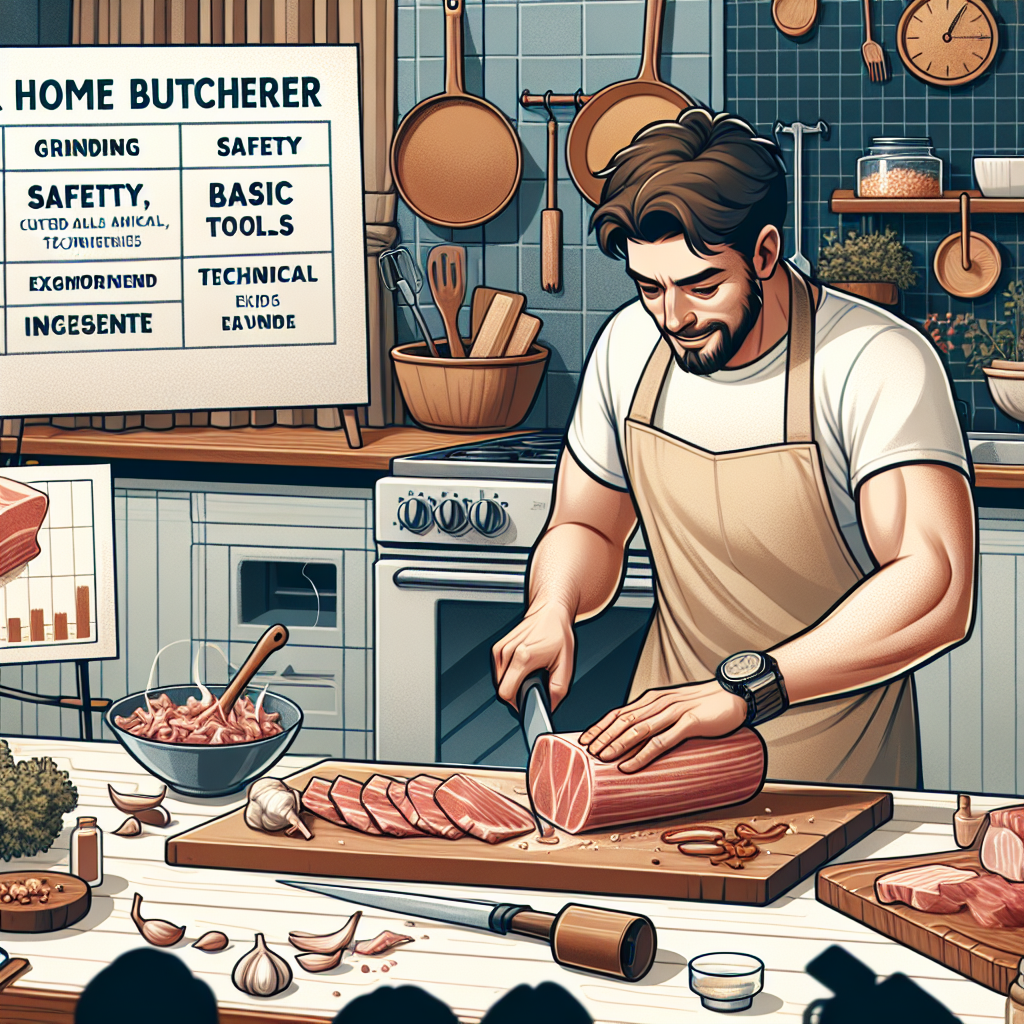
– Use checklists. Start with safety (knife handling, hand placement, machine rules), then add cuts, trimming, and portioning. A checklist reduces guesswork and speeds consistency.
– Pair and pace. Let novices shadow first, then give them supervised tasks during slower periods. Celebrate small wins—if someone trims a roast cleanly, that’s right on the money.
– Use tech to scale training. Short how-to videos, printed diagrams by the bench, and a shared folder of recipes and diagrams keep everyone on the same page.
Why this works: repetition in short stints builds muscle memory without burning out either party. It’s efficient, sustainable, and family-friendly.
Food-safety basics everyone should know
You don’t need a food science degree—just a few reliable rules.
– Respect dates. “Sell-by” and “use-by” aren’t interchangeable. When in doubt, follow the use-by date for safety. Raw ground beef lasts about 1–2 days in the fridge; freeze if you’re outside that window.
– Don’t trust smell alone. Changes in color or smell can be helpful clues but aren’t definitive. If the time-temperature history is unknown, err on the side of caution.
– Cook to safe temps. Ground meats should reach 160°F (71°C). Use an instant-read thermometer—serious cooks rely on them because they work.
– When in doubt, toss. A small loss is far better than a foodborne illness.
Practical efficiency tips for busy families
Let meat prep be a time-saver, not a time-sink.
– Grind and freeze in meal portions. Label packages with dates and portions; weeknight cooking becomes a two-minute task.
– One tool, many uses. A good grinder makes burger, sausage, meatballs, and taco mixes. Use spice blends and fat ratios to keep variety interesting.
– Prep on slow days. Trim large cuts or grind when you have an hour. Stash finished items in the freezer for quick dinners.
A note on flavor and texture
The “why” behind these techniques is just as important as the “how.” Cold grinding protects texture; plate size affects mouthfeel; fat content shapes juiciness. A loosely packed grind can feel light and crumbly; a finely ground, chilled blend binds into succulent burgers. Thinking about the end dish helps you pick the method.
Takeaway
Good tools, clear rules, and short, steady training sessions turn intimidating tasks into approachable skills. Whether you’re a weekend hunter, a retail manager, or a parent trying to simplify weeknights, a little structure makes a big difference: kinder communities give better advice, the right grinder fits your life, and basic safety habits keep everyone healthy.
Chef Mac’s quick challenge: pick one small training task this week—15–30 minutes to teach or learn knife grip, trimming, or the basics of grinding. Check it off, and you’ll be surprised how quickly confidence builds.
So tell me: what small skill will you tackle this week—knife technique, a new grind, or a family-friendly sausage recipe—and how will you fit the practice into your schedule?

