
 # Stirring the Pot with Chef Mac: Why 52 Weekly Themes Work (and How to Make Them Yours)
If your weeknight rotation feels like reheated déjà vu, you’re not alone. I’ve watched busy families and my own kitchen fall into the same five-dinner loop — tacos, pasta, roasted chicken, pizza, repeat. The beauty of the 52-week challenge is that it gives structure without rigidity. Think of it as a culinary sandbox: one small prompt per week nudges you to learn a technique, taste a new spice, or tell a story at the table. It’s playful, doable, and — most importantly — forgiving.
## The idea, briefly
Every week gets a theme: a country, a method (pickling, tempering), an ingredient, or a silly prompt like “dinosaurs” or “idioms.” Your job is simple: cook one dish that fits the theme. The rules are loose — creativity counts. Over a year you’ll travel a flavor map, pick up kitchen fundamentals, and make dinners that spark conversation (and maybe a little friendly family debate).
## The deeper why: psychology + practice
Two reasons this works for busy home cooks:
– Small wins build confidence. Committing to one themed meal a week is achievable. That one success breeds curiosity and scales — suddenly you’re trying a new technique without the pressure of a full lifestyle reboot.
– Themes create curiosity and connection. A weekly prompt turns dinner into a story. Kids ask questions. Partners swap memories. That human element makes the cooking feel less like chore and more like shared play. When food becomes a story, it’s easier to get everyone at the table.
## Technique first: what you’ll actually learn
The genius of the challenge is that it forces repetition and variety in measured doses. Here are cornerstone techniques you’ll likely encounter and why they matter:
– One-pot cooking (plov, pilafs, stews): Teaches layering flavors, controlling liquid, and timing proteins and vegetables so everything finishes together. The payoff is maximal flavor for minimal cleanup.
– Dumpling work (manti, gyoza): Builds comfort with dough handling, filling ratios (fat to lean, seasoning balance), and steaming vs. pan-frying. Dumplings are forgiving — imperfect pleats still taste great.
– Tempering & finishing (tadka, flavored oils, herb finishes): Small scented additions at the end unlock big aroma and brightness. Learning when to add acid, salt, or crunchy garnish is a game-changer.
– Pickling & quick ferments: Introduces preservation chemistry and texture contrast; they’re low-effort flavor multipliers that age well and play nicely with leftovers.
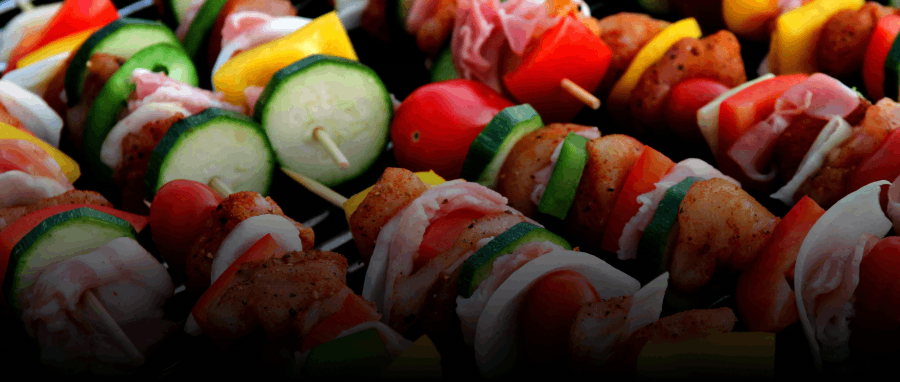
– Grilling and skewering (shashlik): A lesson in direct vs. indirect heat, marinades vs. dry rubs, and the power of resting meat.
Understanding the why behind these methods — how heat transforms proteins, how acid brightens, how salt seasons — makes home cooks into creative problem-solvers.
## Cultural context: cooking with respect and curiosity
When you “do” Central Asia week or Italy week, you’re borrowing a cultural lens, not claiming authenticity. Learn a little about what makes those cuisines distinctive: Central Asian food emphasizes hearty grains, simple spices, and communal dishes meant to feed groups after long days. That context helps you make faithful, practical choices — a one-pot plov for weeknight ease, or store-bought wrappers for manti when time is tight.
A few respectful rules of thumb:
– Start with the backbone: identify the dish’s main technique (steaming, braising, grilling) and honor it.
– Use local swaps thoughtfully: if you can’t find a single ingredient, choose one that fills the same role (texture, fat, acidity) rather than just flavor.
– Read a few recipes to see commonalities, then adapt.
## Practical, family-friendly shortcuts that keep flavor
You don’t need to be slow-cooker-committed to make this work. Some of my favorite time-saving moves:
– Mix convenience with fresh: A jarred sauce can be transformed with sautéed garlic, a squeeze of lemon, and chopped herbs.
– Buy smart: Pre-cut veggies, rotisserie chicken, or frozen dumpling wrappers are not cheating — they’re tools.
– One pan, one pot, one sheet: Mastering a handful of hands-off methods keeps weeknights sane.
– Themed stations: Let everyone build their own bowl. It reduces waste and accommodates picky eaters.
## Two spotlight weeks — how to execute them quickly
Central Asia week (hearty, child-friendly):
– Plov shortcut: Brown onions and carrots in oil, add rice, canned stock, pre-cooked beef or chickpeas, cover and simmer. Finish with fresh herbs and a drizzle of browned butter or yogurt.
– Manti shortcut: Use wonton skins, a simple beef-and-onion filling, and steam on a makeshift rack in a deep skillet with a lid.
– Kid-friendly twist: Butternut squash gutap — roast squash cubes with cumin and smoked paprika, mash, fold with sautéed onions, and spoon into store-bought flatbreads.
Idioms week (playful, imagination-driven):
– Let the phrase guide technique: “Going bananas?” -> banana-studded pancakes or a savory plantain hash.
– Quick dessert trick: Use pre-made crusts, a jarred curd or jam, and sliced fruit to make something dramatic with minimal fuss.
– Turn it into a game: Kids pick the idiom, adults help translate it into textures and flavors.
## Community and compounding learning
Share photos, notes, and substitutions with friends or online groups. Seeing a neighbor’s take on “lagman” might give you a shortcut that works for your schedule — and the feedback loop of community keeps the challenge fresh.
## Final seasoning — encouragement from Chef Mac
This challenge is not about perfection. It’s about curiosity, small skill upgrades, and shared meals that feel interesting. You’ll mess up a dumpling or two, oversalt a broth, and discover a new favorite by accident. That’s the point: practice without pressure.
So here’s my question to you (and one I ask every cook I meet): what theme will you pick for your first week — and what tiny technique are you excited to learn while you’re at it?

