

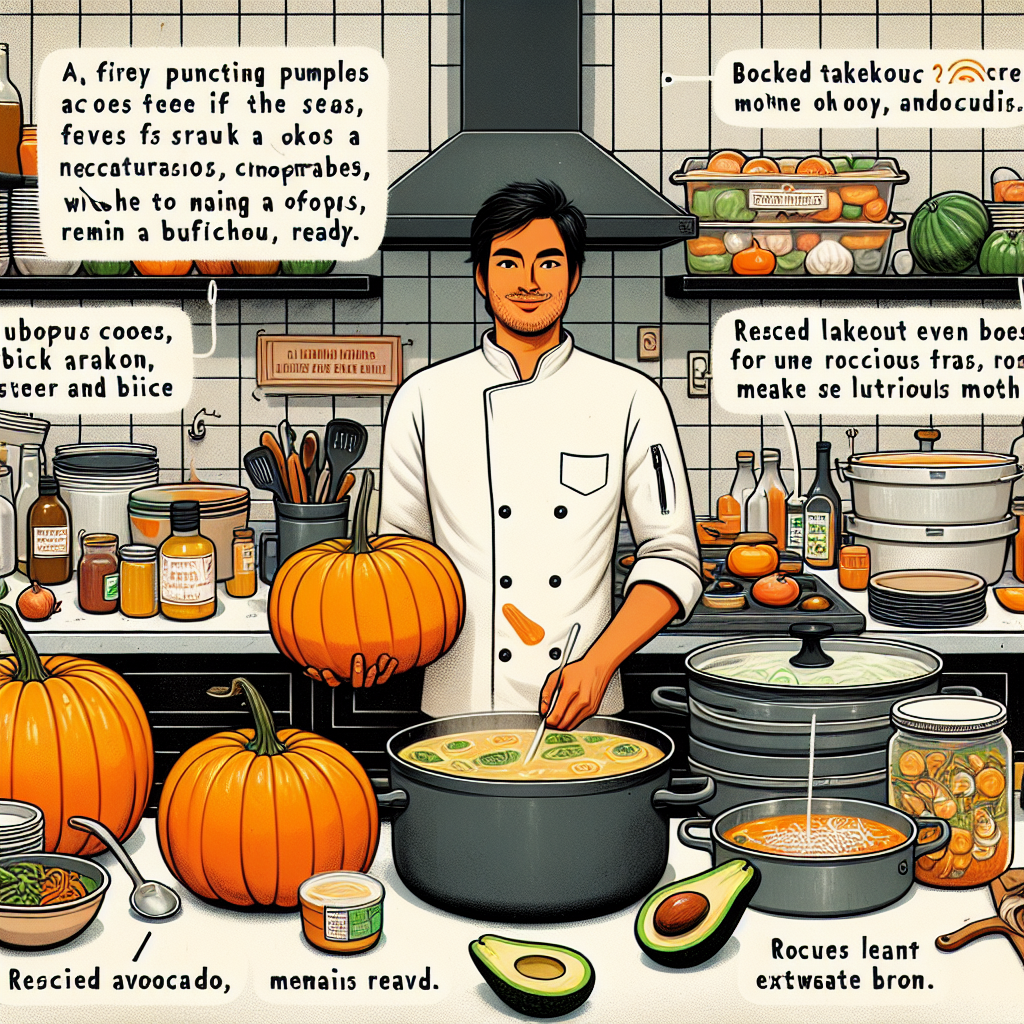
 # Kitchen Hacks from the Community: Cheap, Fast, and Surprisingly Clever Ways to Eat Better
Feeling stretched for time and money but still want food that actually fuels your week? You’re in good company. Online communities—forums, subreddits, group chats—are full of bite-sized genius: little tricks and rituals that turn humble ingredients into something that tastes like care.
I’m Chef Mac. I’ve spent time in restaurant kitchens that taught me to squeeze maximum flavor from minimum waste, and I’ve learned that home cooks are just as inventive. Below I’ll unpack three of the most useful community hacks, explain the technique behind them, and give you practical ways to use them this week. Quick wins, minimal fuss, big payoff.
## Before you ask (and why it matters)
Communities are treasure troves, but two quick notes:
– Search first. Odds are someone’s already tested the exact question you have—“no oven dinners,” “microwave-only meals,” or “student budget hacks.” A quick search saves you time and surfaces proven ideas.
– Use community tips as inspiration, not medical advice. If you have allergies or special dietary needs, consult a pro.
All right—let’s get into the how and the why.
## Pumpkin: the underused seasonal bargain
Why it works
Smaller sugar pumpkins and winter squashes are dense, starchy, and slightly sweet. Roasting concentrates sugars through caramelization (browning at the surface) and evaporates excess water, which gives pumpkin a richer flavor and more usable texture than boiled squash.
Technique breakdown
– Roast simply: halve, scoop seeds (roast them separately), cover with foil and roast at ~400°F until fork-tender. The higher heat speeds caramelization without drying the interior too much.
– Make ahead: once roasted and pureed, pumpkin freezes beautifully in portioned bags. A cup at a time tucks into soups, smoothies, and quick breads without thawing a whole squash.
– Use as a kitchen MVP: pumpkin adds body and creaminess. It’s an easy thickener for stews, a flavorful swap for part of the fat in baked goods, and a way to stretch soups while adding nutrients.
Practical tip
If time’s tight, pierce a whole sugar pumpkin and microwave on high in 5–8 minute bursts until tender, then halve and scoop. Not as deep-flavored as roasting, but a valid shortcut.
## Avocado for lunch prep: keeping it fresh
Why it works
Avocado browns because an enzyme (polyphenol oxidase) reacts with oxygen and produces brown pigments. Lowering the pH or reducing oxygen contact slows that chemistry.
Technique breakdown
– Acid barrier: toss sliced avocado with a bit of lime or lemon juice. The acid reduces enzyme activity and adds bright flavor.
– Physical barrier: press plastic wrap directly onto the surface or pack slices with the pit still in contact. Both reduce oxygen exposure.
– Oil coating: a light brush of olive oil forms a hydrophobic layer that slows oxygen access, but it can affect texture and dressing choices.
Practical tip
If you plan to use avocado as a spread or in bowls, mash it with lime, salt, and a splash of olive oil; store in an airtight container with plastic snugged to the surface. It’ll keep color and texture for a day or two—perfect for weekday lunches.
## Turn takeout leftovers into next-day magic
Why it works
Bones and vegetable scraps are concentrated flavor data. Simmering extracts gelatin and amino acids from bones (collagen → gelatin) and soluble flavor compounds from aromatics—this makes an inexpensive, nourishing stock that’s the backbone of countless dishes.
Technique breakdown
– Start with aromatics: a little oil, sweat onion/garlic/celery/carrot until fragrant. This builds flavor at the start.
– Add bones and water: cover and simmer. Low-and-slow heat (simmer, not a rolling boil) extracts collagen gently—result: silky body, not cloudy, floured broth.
– Use acid and heat strategically: a splash of vinegar helps leach collagen from bones faster. A pressure cooker/Instant Pot speeds the process: 45–60 minutes under pressure vs. several hours on the stove.
– Finish smart: strain, cool, refrigerate. Skim fat if you like a leaner broth. Brighten with herbs or acid (a squeeze of lemon) when serving.
Practical tip
Leftover roast chicken bones become a restorative broth with a carrot, a stalk of celery, and a bay leaf. Toss in a couple of peppercorns, simmer, and you have soup that feels like a hug—plus you’ve reduced waste.
## Small habits that add up
These are the community habits I keep coming back to because they’re small, sustainable, and kitchen-friendly:
– Batch-cook staples: make big pots of grains, roasted veggies, and purees (pumpkin, tomato) and portion them. Recombining is faster than starting from zero.
– Keep a rescue plan: a jar for vegetable peels, stale bread for breadcrumbs or croutons, bones for stock. Treat scraps as future ingredients.
– Learn a few tool shortcuts: a pressure cooker for fast stock, a blender for silky soups, and a nonstick pan for quick breakfasts.
– Use the forum search and pinned resources so you don’t reinvent the wheel—then share your tweaks.
## Cultural context: why these hacks matter
Resourcefulness is culinary culture across the globe. Nose-to-tail cooking, root-to-stem vegetables, and bread-salvaging traditions come from necessity—and taste. Community forums are just a modern extension of that communal kitchen wisdom. They democratize technique: you don’t need culinary school to learn that acid brightens, slow heat extracts collagen, or that roasting transforms watery veg into flavor bombs.
## Takeaway
The best community hacks are small technical moves that make food taste better and last longer: roast and freeze pumpkin for quick volume and depth; prep avocado with acid and airtight storage for lunch-ready slices; turn takeout bones into a fast, nourishing stock. These are practical, low-cost habits that add richness—literally and figuratively—to everyday meals.
So: what community kitchen trick are you going to try this week, and how will you put it to work in your next dinner? Chef Mac wants to know—let’s taco ’bout it.

