
 # Stirring the Pot — Notes from Chef Mac
You’ve got a potluck invite, a tired pantry, and a dinner plan that suddenly looks messier than expected. I see you: juggling work, kids, life, and the desire to bring something people will actually talk about. The good news? A handful of practical habits—rooted in technique and a little kitchen psychology—will save time, money, and your dignity. Here’s how to think like a cook so your meals taste great and your stress level stays low.
## Ask the community, but start with the basics
Crowdsourcing recipes and troubleshooting is part of modern cooking: forums, groups, and neighbors are great. But start with reliable basics first. Government resources and established food-safety sites answer the questions you actually need: safe storage times, minimum reheating temps, and handling rules.
Why this matters: anecdotes are helpful, but kitchen safety and some technique fundamentals are science-backed. When you do ask online, include context—what equipment you used, quantities, and timing. That makes responses useful and prevents the “well, maybe” advice that leads to another round of trial and error.
Quick tip: when someone offers an opinion-rich tip (e.g., “always add salt at the end”), ask what bean or appliance they used. Different beans and pots change outcomes.
## Letter-themed potlucks that won’t stress you out
Letter themes are fun, but don’t let them become a kitchen emergency. Choose dishes that scale, travel, and reassemble easily:
– N: Nachos platter (assemble at the venue), noodle salad (dress just before serving), naan with two dips.
– D: Deviled eggs (cool and transport in egg trays), dairy-free dip, drunken noodles if cooking onsite.
– Y: Yaki-udon (finish in batches on high heat), maple-baked yams, yogurt parfaits layered in jars.
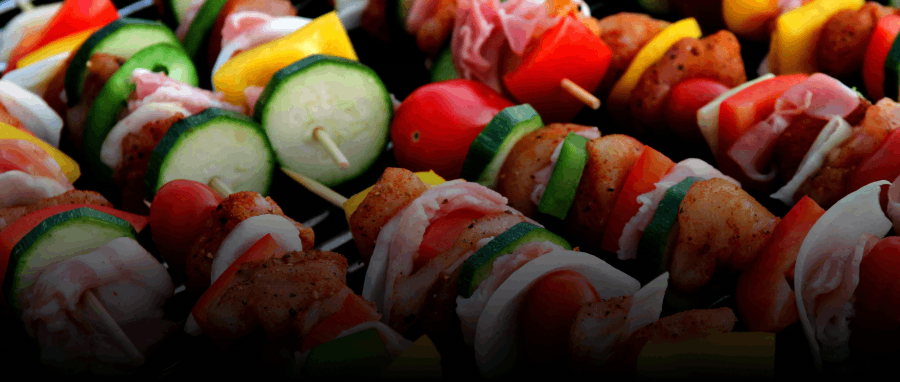
Transport trick: separate components. Cook proteins, sauces, and greens separately. Combine at the venue for brightness and the right texture. If you’ll be finishing onsite, pick simple high-heat dishes (stir-fries) that respond well to batch cooking.
Why it works: separating elements preserves texture and lets you correct seasoning at the last minute.
## Salt smarter: preventing and fixing salty mistakes
Salt is flavor’s best friend and its most dramatic frenemy. Here’s a short playbook:
– Taste as you go. This isn’t optional. Add concentrated seasonings (soy sauce, miso, anchovy) in small increments and taste.
– Balance, don’t just dilute. If something’s too salty, try acid (lime, vinegar), a little sweet (honey, maple), or fat (butter, coconut milk) to round out the taste. For chunky dishes, unsticking the salt by adding a lot of water rarely helps—use unsalted bulk like cooked rice, potatoes, or plain beans to absorb and redistribute.
– Rescue for meat-heavy dishes: mix in cooked unsalted veg or grains, or take out a portion and blend it with unsalted ingredients to spread the salt across more food.
The why: salt enhances flavors and suppresses bitterness; adding acid and fat redirects the palate so the salt isn’t the only dominant impression.
## Beat the bean blues: achieving consistent texture
Beans are cheap, nutritious, and a little moody. If you’re fed up with unevenly-cooked beans, here’s what actually helps:
– Soak and rinse. Soaking (8–16 hours) hydrates beans and shortens cooking time. Discard soak water to remove some indigestible sugars and reduce foaming.
– Test multiple beans. Check beans from different parts of the pot—an experienced cook doesn’t rely on one perfect bean as a verdict.
– Use a pressure cooker/Instant Pot. These tools give consistent heat and shorter, more reliable cook times.
– Consider age. Old beans take longer and shed skins. Rotate stock so beans don’t sit for years.
– Salt timing. A light amount of salt during soaking can help hydration; many cooks add most of their salt once beans are nearly tender so skins don’t toughen.
Why pressure helps: pressure cooking raises boiling point and forces water into beans faster, equalizing textures across the pot.
Practical bean hack: when in doubt, cook a small test batch and note the timing. Write it on the bag for next time.
## Share recipes thoughtfully
If you post a recipe or video, give the full story: exact measurements, timing, equipment, what went wrong or right, and serving suggestions. People want to know why a step exists (e.g., ‘‘we bloom the spices to release aromatics’’) not just what to do.
Why this matters: good documentation cuts down repeat questions and helps others reproduce your results.
## Food safety quick checklist
Small rules prevent very big problems:
– Keep hot foods above 140°F, cold foods below 40°F.
– Don’t leave perishables at room temp more than 2 hours (1 hour in hot weather).
– Reheat leftovers to 165°F.
– Use a thermometer for meats and large casseroles.
– Prevent cross-contamination: separate boards for raw meat and produce, and wash hands often.
These aren’t party-poopers—they’re peace-of-mind moves that keep everyone healthy.
## Takeaway — small habits, big confidence
Cooking for family and friends is less about showmanship and more about repeatable habits: tasting as you go, prepping for transport, and learning a couple of reliable tricks for beans and salt. Think like a cook who’s solving small problems before they become crises.
One last nudge from Chef Mac: try one change this week—soak your beans, bring a component-based potluck dish, or taste and correct salt with acid instead of panic. Then tell someone what you did and what happened.
What kitchen habit will you experiment with this week, and how will you report back to your friends (or the group chat)?

