
 # Intro
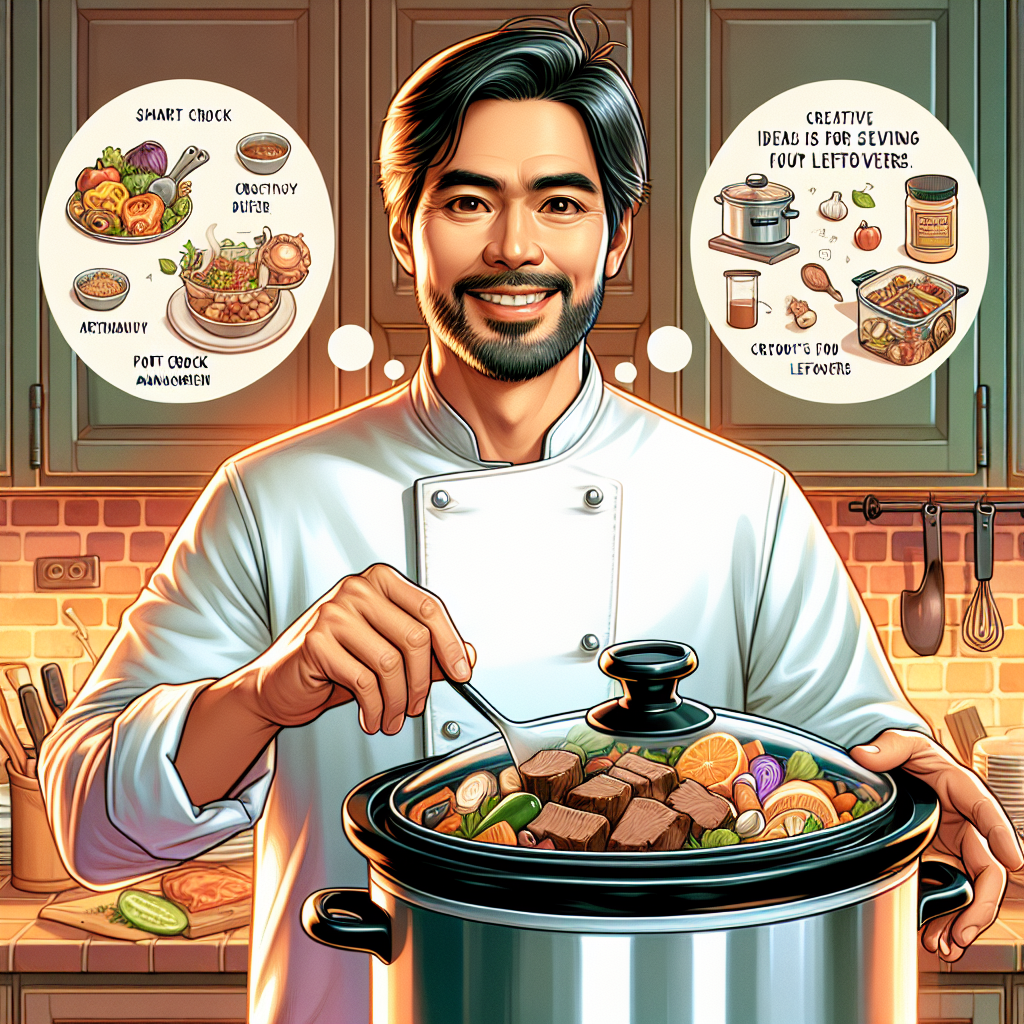
If your slow cooker is a weekly lifesaver — or a mysterious appliance that sometimes refuses to soften a hunk of meat — you’re in good company. I’m Chef Mac, and I’ve spent enough nights counting down to dinnertime to know that a dependable pot roast can feel like magic. The trick isn’t luck; it’s understanding a few kitchen principles: the right cut, how collagen behaves, how your cooker distributes heat, and simple safety checks. Let’s make restaurant-quality comfort food feel reliably easy for your family.
# What makes a great pot roast (and why it works)
Pick the right cut
Tough, well-marbled cuts are your friend: chuck roast, brisket, and shoulder. These pieces are rich in connective tissue (collagen). Under low, prolonged heat collagen dissolves into gelatin — that silky body you taste in a great sauce — and the meat becomes tender. Lean roasts like eye of round can dry out and stay firm because they lack that breakdown.
Sear for flavor — but know why
A quick sear on the stovetop caramelizes surface proteins and sugars (the Maillard reaction). This doesn’t tenderize the meat — it builds flavor. You can skip searing if you need fully hands-off convenience, but when you have a few extra minutes, that brown crust makes the gravy taste deeper and rounder.
Low and slow — with the right amount of liquid
Braising is about gentle heat and moisture. The slow cooker transfers heat by conduction and convection: the hot surface warms the insert, the liquid circulates heat, and steam helps carry flavor. Your liquid should come partway up the meat (not cover it completely) — enough for even heat transfer and sauce development without diluting flavor.
# Technique details: the how and the why
Temperature and time
Slow cookers vary. Aim for a low setting that keeps food safely above 140°F (60°C); high should be about 200–205°F (93–96°C). That warm, long bath is what breaks down collagen. If your unit runs cool, extend the cooking time or finish the roast in a 300°F (150°C) oven for an hour.
Fill level and heat distribution
Fill your crock between half and two-thirds full. Too full: the pot won’t reach proper heat. Too empty: too much evaporation and uneven cooking. If your cooker heats from the bottom, put root vegetables on the bottom and meat on top so dense items get their share of heat.
Don’t open the lid
Every time you lift the lid you lose heat (and add roughly 15–20 minutes to the cooking time). Trust the process and only lift when absolutely necessary.
# What to serve (and how to reinvent leftovers)
Classics
– Mashed potatoes: Use drippings as gravy or enrich with a spoon of sour cream.
– Egg noodles: Kid-approved and great at soaking up sauce.
– Rice or polenta: Gluten-free bases that turn juices into a meal.
– Roasted or steamed veg: Carrots, green beans, or a crisp salad to cut the richness.
Leftover wizardry
Shred cooled roast into sandwiches with caramelized onions, toss with BBQ sauce for pulled-beef sliders, or make pot roast tacos with quick pickled onions and cilantro. Leftovers are where a weeknight win becomes two or three more.
# Troubleshooting: common pot problems and fixes
Tough after eight hours?
– Wrong cut: Choose a fattier, collagen-rich roast next time.
– Appliance temperature: Test your slow cooker with a probe thermometer. If low setting is under 140°F (60°C), extend time or finish in the oven.
– Over- or underfilling: Aim for that half-to-two-thirds sweet spot.
Unevenly cooked veg
If veggies are mushy and meat is perfect, place carrots and potatoes under the meat next time, or add them halfway through cooking on long cooks.
Doubling recipes and pot sizing
You can double a 4-quart recipe in an 8-quart crock, but expect a longer time to reach temperature. Avoid jamming in random containers — they trap air and slow heating. Instead, add extra vegetables or use a smaller insert if you have one.
# Safety: the Warm setting and time limits
The USDA danger zone is 40–140°F (4–60°C). Perishable foods shouldn’t sit there for more than about 2 hours. Warm settings vary between models — some hold food safely above danger zone, some don’t. If in doubt:
– Use a probe thermometer; reheat leftovers to 165°F (74°C).
– If raw chicken sat on Warm for several hours and you don’t know the exact temps, it’s safer to discard it.
– For long holds, prefer finishing on High and switching to a verified Warm that keeps food above 140°F (60°C).
# Beyond roast: favorite slow-cooker recipes
– Pulled pork: Pork shoulder, dry rub, apple cider vinegar, 8–10 hours low — shred for buns.
– BBQ chicken tacos: Thighs, BBQ sauce, lime; shred after 4–6 hours.
– Chickpea & lentil curry: Spices, tomatoes, coconut milk — a hearty vegan option.
– Creamy tomato soup: Roast tomatoes, broth, basil, touch of cream; blend and serve.
– Overnight oatmeal: Oats, milk, cinnamon, fruit — set before bed, wake up to breakfast.
# Quick tips to save time and stress
– Always use a thermometer for safety and doneness.
– Sear for flavor if you can; skip it for true hands-off nights.
– Resist peeking — lifting the lid costs time and evenness.
– Make extra: slow-cooker dinners are excellent meal-prep fodder.
# Cultural context and a little food history
The slow cooker rose to household fame in mid-20th century America as a convenience for working families — a way to come home to a hot, comforting meal. Today it’s had a quiet renaissance: plant-based curries, global braises (think tagines or feijoada-style stews adapted to the crock), and overnight breakfasts broaden its role. It’s become less about “set-and-forget” convenience and more about smart, slow flavor-building that fits modern schedules.
# Takeaway
Slow cooking is part technique, part appliance know-how, and a little bit of trusting the clock. Choose the right cuts, respect heat and time, and use a thermometer to stay safe. The slow cooker rewards patience with deep flavors, tender textures, and versatile leftovers that stretch weeknight wins.
I’ll leave you with this: what small change will you try next time—searing before the crock, rearranging veggies, or doubling a recipe for planned leftovers—and how will you turn those leftovers into something new?

