
 # Stirring the Pot with Chef Mac: Why a Weekly Theme Works
Picture this: it is Tuesday, the kids are asking what’s for dinner, and your mental recipe box is on empty. A weekly theme is the kind friend who shows up with groceries and ideas — one small constraint that unlocks creativity instead of overwhelming it. Over 52 weeks you taste new regions, practice a few core techniques, and build a go-to rotation that keeps weeknights interesting.
## The simple mechanics and the deeper purpose
At its core, the weekly challenge model is elegant because it combines focus and flexibility. Pick one prompt for seven days and interpret it to fit your life. The goal is curiosity, not perfection. That small constraint creates repetition, and repetition builds skill. You might try tempering a spice, caramelizing onions until they are sweet and nutty, or learning to roll a basic pasta pocket. Those tiny wins add up.
Why it works:
– Cognitive ease: deciding once a week reduces decision fatigue for nightly cooking.
– Intentional practice: repeating a technique in different contexts cements understanding.
– Family engagement: themes are great conversation starters and invite kids to participate.
## Technique breakdown: the fundamentals worth practicing
A good weekly theme nudges you toward a handful of transferable techniques. Here are some to try and the why behind them.
– Caramelization: Browning onions, carrots, or proteins adds sweetness and depth through the Maillard reaction. Try it on day one and notice how it lifts broths, rice pilafs, and sauces.
– Tempering (tadka): Heating whole spices in oil releases essential oils and aroma. Use it to finish lentils or drape over roasted vegetables for an instant flavor boost.
– Braising: Low-and-slow cooking in a little liquid turns cheap cuts tender and infuses flavor. Great for weekend prep that feeds weekday bowls.
– Steaming and dumpling folding: Once you learn a couple of folds, making manti or dumplings becomes a meditative weekend task that freezes well for quick dinners.
– One-pot conversions: Techniques like searing, deglazing, and layering ingredients in a single pot save time and build complex profiles with minimal cleanup.
Understanding the why makes these moves repeatable. For example, searing protein creates browned bits that become flavor when you deglaze with stock or wine; skipping that step means missing a layer.
## Cultural context without cultural appropriation
Themes like Central Asia, Peruvian, or Taiwanese are invitations to learn, not to copy without credit. Start with a signature dish, learn its history, and adapt respectfully.
– Plov is a Central Asian rice pilaf built on browned onions, carrots, and often lamb. The technique of layering rice atop simmering broth and steaming to finish is key — it yields separate, fragrant grains.
– Lagman reflects hand-pulled noodles and a savory, slightly spicy broth with stir-fried vegetables and beef. Using store-bought noodles is a practical shortcut that preserves the spirit of the bowl.
– Gutap and manti are filled pastries/dumplings that showcase regional dough and folding techniques. Making a small batch teaches dough handling even if you buy wrappers to save time.
Treat these dishes with curiosity: read a short origin note, taste a prepared version if possible, and then translate the technique into your household rhythm.
## Practical shortcuts that keep the flavor
Real kitchens need real shortcuts. I call them quality conveniences.
– Keep a small arsenal: pre-rolled dough, jarred sauces, curry roux blocks, and frozen fresh-style noodles. They remove friction while letting you focus on technique.
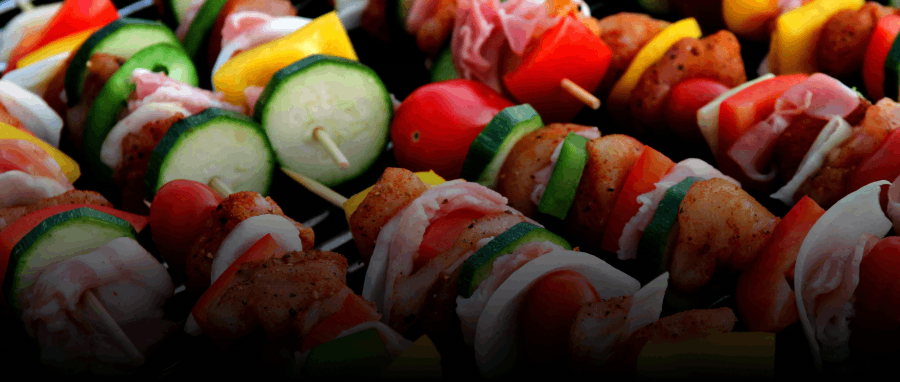
– One-pot and sheet-pan approaches: Convert plov into a single-pot baked version or turn shashlik into a sheet-pan roast. Same flavor profile with less fuss.
– Batch smart: Roast a whole tray of vegetables or a big pot of braise, then transform leftovers into fried rice, tacos, or topped bowls.
– Kid-proofing: Chop textures small, reduce heat on strong spices, and let kids assemble bowls or skewers. Engagement equals buy-in.
## Flavor balancing: the quick recipe for success
Every new cuisine teaches a flavor map: what is salty, what is acidic, what rounds the dish. A simple framework to taste and fix a dish:
– Salt first in small, incremental amounts. It brings out other flavors.
– Finish with acid — lemon, vinegar — to lift a flat dish.
– Add fat (butter, oil, yogurt) to mellow sharp edges and carry flavor.
– Textural contrast matters: crunchy pickles, toasted seeds, or fresh herbs transform a comforting bowl into something memorable.
## A family-friendly sample week (take and twist)
– Monday: Choose the theme and shop. Pick one convenience item to save time.
– Tuesday: Quick midweek bowl — simplified plov or noodle bowl using leftover roasted veg.
– Thursday: Kid activity night — folding dumplings or assembling skewers.
– Weekend: Technique practice — steam a small batch of manti or bake gutap; freeze extras.
## Keep it playful, not perfectionist
Document your experiments with one photo and one note: what you liked, what you would change. Share with friends or a social group for ideas and accountability. The point is to build instincts, not to reproduce a Michelin plate.
## Final thoughts from Chef Mac
The weekly theme model turns cooking from an endless to-do into a sequence of tinkering sessions where you learn by doing. Focus on one or two techniques, respect the flavor origins, and use clever shortcuts so the kitchen remains a place of joy, not pressure. Over time you will assemble a personal cookbook of riffs that feel both adventurous and comfortingly familiar.
So tell me: which technique are you ready to practice this week, and what theme will inspire your next family dinner?

