
 # Youre not doing anything wrong
You open the fridge and there it is again: stir-fry leftovers, a jar of tomato sauce, taco fixings, and a chicken breast or two. If your week runs on a trusted short list of dinners, breathe easy. Repeating reliable meals is the hallmark of a busy life — and a clever, efficient approach to home cooking. The trick isnt to reinvent every meal; its to learn a few practical moves that give those five staples more flavour, better texture, and greater safety with minimal extra effort.
# Why a short rotation is actually smart
Chefs repeat menus for reasons you can use at home. Familiarity builds muscle memory, trims decision fatigue, and reduces food waste. Working the same recipes teaches you how ingredients behave: how beef browns, how garlic mellows, how acid brightens. That knowledge is transferable, so a small repertoire can feel endlessly adaptable.
Think of your rotation as a basecamp. From there you can:
– Layer techniques, not hours. Master one heat-control trick or one finishing sauce and youll elevate many meals.
– Swap single components to shift the whole dish without re-learning recipes.
– Practice seasoning deliberately. Salt, acid, fat, and heat are four levers that change everything.
# Small swaps that make the same meal feel new
You dont need new recipes every week. Try one of these low-lift changes:
– Swap the protein: ground turkey for beef, tempeh or chickpeas for meat. Texture and fat change the eating experience.
– Swap the sauce: peanut sauce, chimichurri, tomato-basil, sriracha-lime. A different sauce reorients the whole plate.
– Change the carb: rice to freekeh, pasta to zucchini noodles, roasted potatoes to quinoa. Texture and chew matter.
– Add one new ingredient a week: a spice, a jarred condiment, or a cheese youve never used.
These micro-experiments are low-risk and high-reward. Pledge to try one new technique or ingredient each month and you build variety without waste.
# Tender broccoli, fast: why blanch before you pan
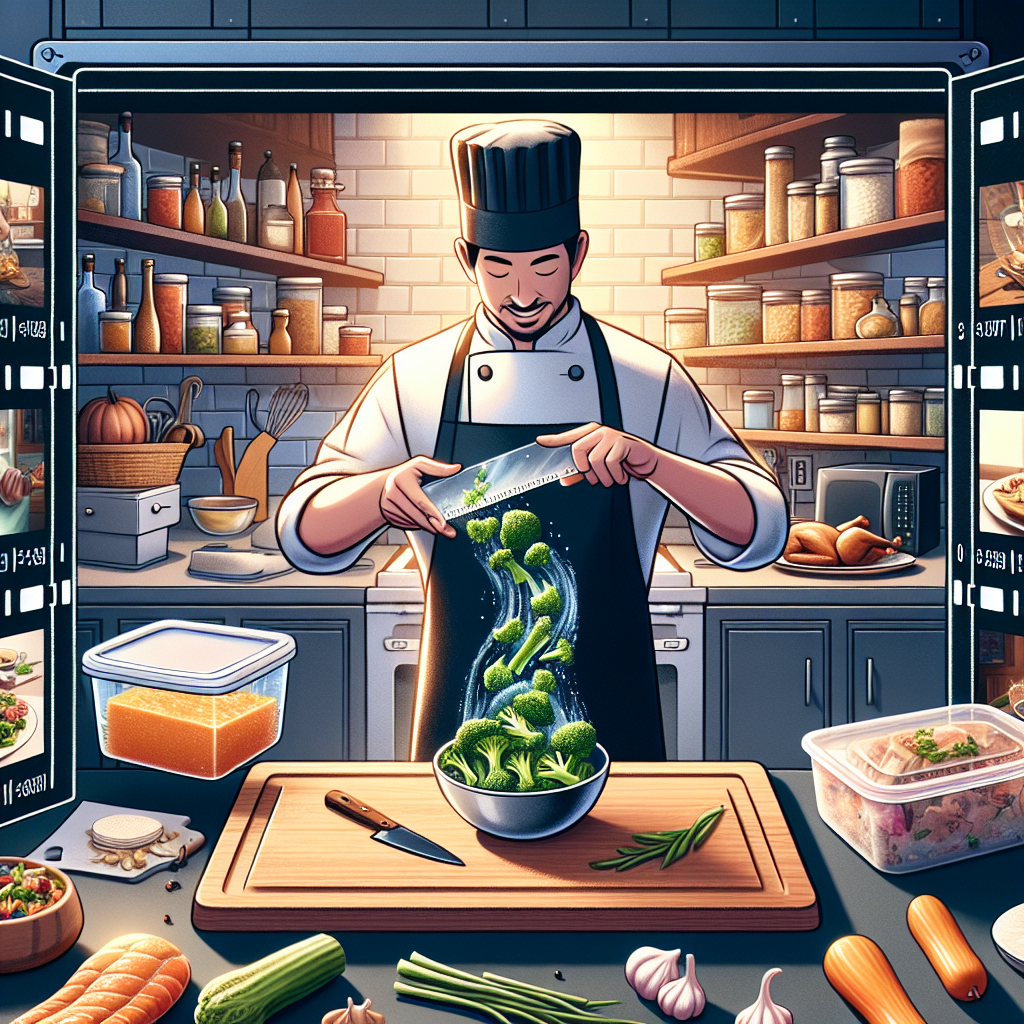
If your stir-fries give you tough broccoli, blanching is your shortcut to crisp-tender florets that soak up sauce.
Why it works: hot water loosens cell pectin and partially cooks the stem, so quick finishing in the pan doesnt overcook the florets. The ice bath stops carryover cooking and preserves color.
How to blanch:
1. Bring a large pot of salted water to a rolling boil.
2. Drop bite-size florets in for 1 to 3 minutes, depending on how firm you like them.
3. Transfer immediately to an ice bath or run under cold tap water.
4. Pat dry and finish in the pan with your sauce for 1 to 3 minutes.
The result: broccoli that is bright green, tender but not mushy, and ready to carry soy, garlic, or sesame flavours.
# Leftovers and safety: did I ruin that turkey?
Short answer: probably not, but a few rules matter. The big food-safety principles are time, temperature, and storage.
– Refrigerate within 2 hours of cooking (1 hour if its hot outside).
– Keep the fridge at or below 40°F (4°C).
– Use shallow containers so food cools quickly.
Leaving cooked ground turkey uncovered risks dryness and fridge-odour pickup more than immediate danger, provided it was refrigerated promptly and the fridge is cold. Still, trust your senses:
– Smell it. Sour or odd aromas are a red flag.
– Look for slime or odd colours.
– When reheating, bring it to 165°F (74°C). Reheating kills most bacteria but not toxins some bacteria make, so timing matters.
Label containers with dates and use a fridge thermometer. If youre ever unsure, toss it; its cheaper than a night of sickness.
# Mixing cuisines at Thanksgiving: make it feel intentional
Yes, you can build a Thanksgiving plate from everywhere, but fusion needs a through-line. In restaurants we emphasize balance and coherence; the same thinking applies at home.
Ways to tie diverse flavours together:
– Pick a through-line: an aromatic like garlic, a fat like butter or sesame oil, or a technique such as roasting.
– Balance intensity: pair bold sides with milder starches or a neutral salad.
– Control spice levels so not everything shoves flavour into the same corner.
– Think texture: creamy mashed potatoes, crunchy slaw, silkier braised greens.
– Test one pairing beforehand if youre nervous.
If you want a safer route, keep the turkey classic and let the sides be the playground for creativity. That way, tradition anchors the table while you experiment.
# The fundamentals behind the feel-good tricks
Understanding a little cooking science makes these upgrades repeatable:
– Maillard reaction: browning equals flavour. Dry the surface, use high heat, and dont overcrowd the pan.
– Acid brightens: a squeeze of lemon or a splash of vinegar wakes up a dish.
– Fat carries flavour: finishing oil or butter rounds acidity and mellows heat.
– Heat control saves texture: medium-high sear, lower to finish.
When you apply these principles instead of memorizing recipes, the same five meals become a platform for creativity.
# Quick meal-planning habits for busy people
– Batch-cook basics: grains, roasted vegetables, and a versatile sauce to remix all week.
– Keep a rotation list of 6 to 8 meals and add one topping or swap each week.
– Use smart shortcuts: frozen veggies, rotisserie chicken, and good-quality jarred sauces.
– Mise en place: even 10 minutes of prep before cooking cuts active time and stress.
# Takeaway from Chef Mac
Repeating meals isnt culinary laziness; its an opportunity to refine technique, build flavour habits, and enjoy consistent, satisfying dinners. Small swaps, a couple of one-minute hacks like blanching, and basic food-safety habits will take your rotation from meh to memorable. And when you want to get adventurous, mix cuisines with a through-line and taste as you go.
So heres my question for you, kitchen adventurer: which one simple swap or technique will you try this week to make your favorite five meals taste like something new?

