

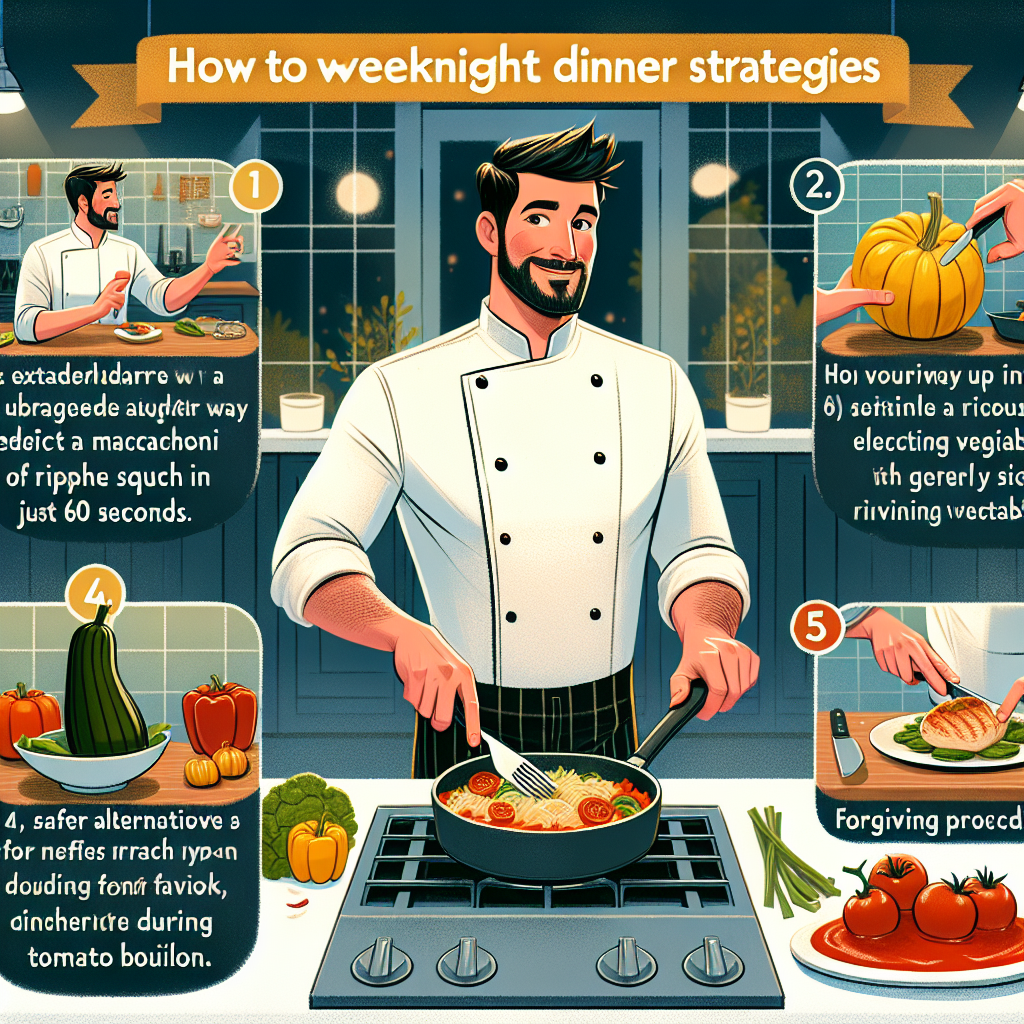
 # Stirring the Pot with Chef Mac: Weeknight Kitchen Lifesavers
Between a flurry of after-work Zooms, kid taxi duty, and the constant question of what to feed the crew, weeknight dinners can start to feel like triage. I cook in restaurants, but my favorite victories are the tiny, reliable tricks that make home cooking feel like less work and more comfort. Below I unpack five simple techniques and the thinking behind them, so you know the how and the why — and end up with meals people actually want to eat.
## 1) Creamy Mac Upgrade: The 60-Second Elevation
Why it works
Boxed mac and cheese is speed incarnate, but the powder-based sauce can taste thin. Adding a spoonful of full-fat cream cheese introduces extra fat and dairy solids that bind the watery sauce into a silkier emulsion. The tang cuts through the richness, giving perception of depth similar to a béchamel finished with cheese.
How to do it
– Cook the pasta just shy of package directions so it finishes in the sauce.
– Drain and return to the pot on very low heat.
– Stir in the cheese packet, then add 1 tablespoon of cream cheese per standard box; increase for bigger appetites.
– Season with a pinch of garlic powder and a crack of black pepper. Fold in frozen peas or shredded rotisserie chicken for an instant complete meal.
Pro tip
If you want lighter acidity, swap in sour cream, but expect less silk and more tang. For added body without dairy, a tablespoon of butter plus a splash of whole milk will do the job, but cream cheese is the fastest path to that velvety finish.
## 2) Picking Ripe Squash Without the Guesswork
Why it matters
Squash is seasonal comfort, but cooking is only as good as the ingredients you start with. Understanding ripeness means more flavor and less disappointment at dinner time.
Quick rules of thumb
– Winter squash (butternut, acorn, kabocha): look for a hard, matte rind with even color. A glossy sheen can indicate underripe squash. The stem should be dry and corky; it should feel heavy for its size. Tap it — a hollow thump is a good sign.
– Summer squash (zucchini, yellow): choose smaller, firmer specimens with shiny skin. Avoid soft spots or wrinkling.
– Specialty squash: firmness and bright, consistent color win. Any off or sour smell is a reject.
Storage notes
Winter squash keeps well in a cool, dry place, which means you can buy it for weeks of meals. Summer squash prefers the crisper drawer and a short timeline to keep texture intact.
Why chefs care
Picking properly ripe produce reduces the temptation to over-season or mask flavors. When your squash is at peak, simple techniques like roasting or sautéing reward you with sweet, nutty notes without much fuss.
## 3) Safer, Easier Veg Chopping — Especially If Your Hands Aren’t Steady
Why this matters
A lot of great meals start with a dice. If knives are risky because of injury, tremor, or fatigue, a few instrument choices and techniques keep fresh food in rotation without compromising safety.
What to look for in tools
– Sturdy base and non-slip feet for stability.
– Large, easy-to-press lids or pull-cord designs to remove the need for fine motor control.
– Interchangeable blades and a pulse option for control over chunk size.
– Dishwasher-safe parts for easy cleanup.
Safe tool ideas
A rocking mezzaluna used over a cut-resistant glove, a manual push chopper with a wide grid, or a compact food processor with a pulse button are excellent. Add cut-resistant gloves and a stable non-slip board. If an injury or condition is involved, an occupational therapist can recommend adaptive tools tailored to your needs.
Kitchen technique
Work in small batches and stabilize what you cut. For example, halve round vegetables to create a flat surface before chopping. Slow, deliberate pulses in a chopper give more consistent results than trying to get stable slices in one go.
## 4) Tomato Bouillon: Small Cubes, Big Flavor
The culinary principle
Tomato bouillon concentrates tomato umami, acidity, and salt in a tiny package. It behaves like a flavor accelerator: a little melts into a lot and lifts dishes without adding bulk.
Ways to use it
– Quick tomato broth: dissolve a cube in boiling water for instant base. Add pasta, beans, or greens.
– Boost stews and chilis: crumble a cube in early for a deep, rounded backbone.
– Tomato rice: replace some or all of the cooking liquid with bouillon-infused water.
– Speedy pasta sauce: sauté onion and garlic, add a cube and a splash of water, stir to dissolve and toss with pasta.
– Dressings and marinades: dissolve a small amount in hot water, cool, and whisk into vinaigrettes.
Taste as you go
Bouillon is salty and concentrated. Add sparingly, then adjust salt and acid at the end. If the mix feels too savory, a squeeze of lemon or a splash of vinegar will brighten it up.
## 5) One-Pan Chicken, Rice, and Veg — Comfort That Cleans Up Easy
Why it’s forgiving
A one-pan meal lets you control texture with a few key steps: a quick sear for flavor, the right rice-to-liquid ratio for tenderness, and the oven to finish everything evenly.
Method
– Preheat oven to 375°F.
– Sear bone-in chicken thighs in an oven-safe skillet until golden (2–3 minutes per side). Remove and set aside.
– Sauté a small onion and garlic in the same pan, add 1 cup long-grain rice and toast for a minute.
– Add 2 cups hot broth or water mixed with tomato bouillon for extra flavor, plus 1 cup chopped veg.
– Nestle chicken back on top, cover, and bake for 25–35 minutes, until rice is tender and chicken registers 165°F.
– Finish with shredded cheddar or your favorite melting cheese if you like.
Shortcuts
Use instant rice with less liquid and shorter time, frozen pre-chopped veggies, or pulled rotisserie chicken to finish instead of baking.
The technique takeaway
Toasting rice adds nutty depth; searing chicken creates fond that flavors the whole dish; baking under cover ensures even steam cooking. Small actions lead to a more composed plate.
## Bringing It Together
These five lifelines share a common thread: small, intentional choices that multiply flavor and reduce effort. Fat and acid balance in the mac, proper ripeness for maximum sweetness in squash, safer tools that keep fresh food in play, concentrated pantry flavor from bouillon, and layering of technique in a one-pan dinner are all about making weekday cooking reliable.
Try this tonight: pick one tip instead of all five. Elevate boxed mac with cream cheese, or dissolve a tomato bouillon cube into your rice liquid before baking the chicken. Notice the difference in texture, flavor, and how much less you stress.
So — what one quick swap will you try this week to make dinner both easier and better, and how will you tweak it to suit your family?

