
 # Why this tiny habit can change your whole kitchen
Picture a Wednesday evening: you’re juggling homework help, a conference call, and a fridge that looks like it’s hiding snacks out of spite. Now imagine a friendly prompt — “Central Asia” or “Idioms” — that hands you permission to try one new thing and call it a win. That’s the quiet power of the 2025 weekly cooking challenges. It’s a low-pressure, highly practical way to expand your cooking without overhauling your life.
As a professional, I love the discipline of a menu. As a parent, I love the freedom of a theme. These weekly prompts give you both: a framework to learn technique and the license to be flexible. You don’t need perfect ingredients. You need curiosity, a little planning, and one pot you’re not afraid to get messy.
—
## What’s going on behind the trend (the “why”)
Two things are converging here: a desire for connection and the need for manageable habits. People want to cook meals that feel intentional, culturally grounded, and shareable on a dinner table or feed. But time is a hard limit. Weekly themes solve that by turning exploration into a repeatable micro-habit. Instead of committing to a new cuisine for months, you commit to seven days — enough to taste, learn, and decide.
Culturally, these prompts celebrate culinary crossroads. Take Central Asia: it’s food shaped by nomads, spices traded along silk routes, and techniques designed for portability and preservation. Recognizing the history informs your choices — why rice sits with meat in plov, why manti are hearty and compact, why halva is both humble and celebratory.
—
## Technique breakdown: the how and the why (with practical tips)
Below are five go-to dishes for a Central Asia week and the core techniques that make them work. Learn the method, and you can riff.
– Plov (rice pilaf)
– The why: Plov is built on contrast — caramelized aromatics, sweet softened carrots, and dry, separate grains. It’s a lesson in layering.
– The how: Brown your meat well; that Maillard crust is flavor. Sweat onions until translucent and slightly caramelized. Add carrots and briefly sauté. Add rice and hot stock, cover, and finish on low without stirring so the steam cooks evenly.
– Time-saver: Use an Instant Pot on the rice setting after browning for reliable results.
– Lagman (noodle soup)
– The why: This is a study in umami and texture — chewy noodles, robust broth, and tender braised meat.
– The how: Build a rich base by browning meat, then gently caramelizing peppers and tomatoes for sweetness. Simmer long enough to tenderize, then add noodles last so they don’t go mushy.
– Kid-friendly swap: Use store-bought udon or thick egg noodles.
– Manti (steamed dumplings)
– The why: Manti teach restraint — small, seasoned meat parcels steamed to juicy perfection.
– The how: Keep the filling compact and well-seasoned (onion, cumin, black pepper). Use store-bought wrappers to save time. Steam on parchment or a perforated tray so they don’t stick.
– Freezer tip: Freeze manti on a tray then bag them; steam straight from frozen for quick family meals.
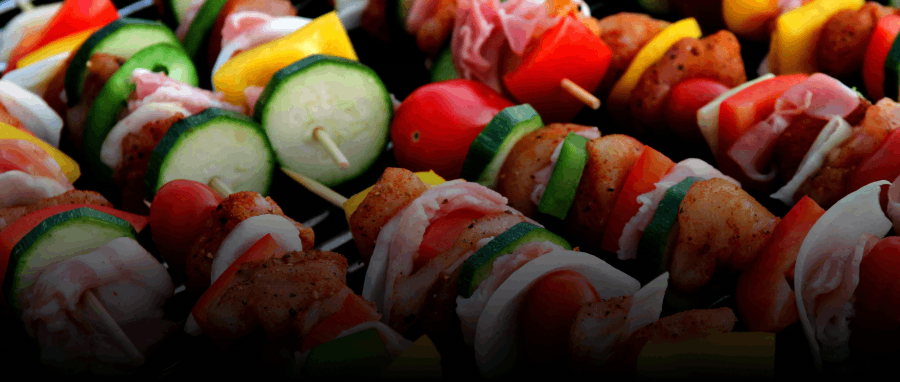
– Shashlik (grilled skewers)
– The why: Marinade chemistry — acid, fat, salt, and aromatics — tenderizes and layers flavor.
– The how: Marinate chunks for at least 2 hours with yogurt or lemon, oil, garlic, and spices. Thread meat with peppers for contrast and cook over high heat for a caramelized exterior.
– Pantry hack: Broil if you don’t have a grill; finish with a squeeze of citrus.
– Sesame halva
– The why: Halva is about texture — the velvety, crumbly finish from sesame paste and sugar.
– The how: Warm tahini with honey or sugar syrup gently, stirring until homogenous, then fold in toasted nuts or chocolate if you like. Or buy a quality bar and slice it for simplicity.
—
## Idioms week: a creativity lab for families
“Idioms” is my favorite because it nudges literal thinking and imagination. Want to make “smashed” cucumber salad? Smash the cucumbers with the side of a knife for texture, toss with sesame oil, soy, vinegar, and chili flakes. For “bananas,” turn them into a quick skillet compote with brown sugar and cinnamon — spoon over yogurt for an instant dessert.
This prompt teaches interpretation: a word becomes a technique or flavor profile. Use it as a mini-design exercise for kids — give them the idiom, let them sketch a dish, then build it together.
—
## Practical wisdom for busy kitchens
– Build around technique, not recipes. Learn one method (braise, steam, sear) and apply it to multiple ingredients.
– Batch components: a pot of plov or a jar of lagman stock becomes two dinners plus lunches.
– Smart swaps are not cheating: wrappers, pre-chopped veg, and rotisserie chicken are your friends.
– Kid roles: measuring spices, threading skewers (with supervision), and sealing dumplings are small tasks that teach confidence.
– Flavor shorthand: a squeeze of lemon, a tilt of soy, or a pinch of smoked paprika can bridge unfamiliar dishes to palatable territory for picky eaters.
—
## The community advantage
One of the reasons this format works is social reinforcement. Sharing a photo or a two-line tip in a group gives you feedback, ideas, and accountability. It turns a solo experiment into a shared adventure.
—
## Parting thoughts from the pass
Cooking isn’t a performance; it’s a conversation — with ingredients, with technique, with the people at your table. The weekly challenges give you prompts, but the real lesson is transferable: small, deliberate experiments compound. Do one new thing this week — brown better, steam once, or try a new spice — and you’ll be surprised how confident you feel the next time you open the fridge.
So, which small technique will you try this week — will you master the perfect plov crust, steam a batch of manti with the kids, or smash some cucumbers and call it an idiom dinner? Chef Mac wants to know: what will you stir into your next meal?

