
 # Why one tiny prompt can change dinner
I remember the week my own family did “Idioms” week — not because the outcome was perfect, but because the prompt gave me permission to play. A smashed cucumber salad that had been hiding in my head for months suddenly made it to the table, and my 7-year-old proclaimed it crunchy enough to be his new favorite side. That’s the power of a small nudge: it turns autopilot into curiosity.
The idea of 52 weekly prompts — a place, a method, an ingredient, even a word — isn’t about turning every night into a culinary thesis. It’s about creating tiny, repeatable experiments that teach skills, broaden palates, and add a little mischief to the weeknight grind.
# The how: techniques that actually stick
Prompts work because they focus attention. When I give myself a single constraint, I dig deeper into technique. Here are the kitchen moves you’ll practice without even knowing it.
– Mise en place (set-up wins): A weekly project encourages you to prep ingredients ahead. Chop once, cook twice, and suddenly dinner comes together without stress. Mise en place is less about fancy ritual and more about removing friction.
– Controlled heat: Many family-friendly dishes hinge on knowing when to crank the pan and when to slow-simmer. High heat builds browning and flavor quickly; low, steady heat melds spices and softens proteins. Use a heavy-bottomed skillet for quick sears and a snug pot for gentle braises.
– Layering flavors: Think of seasoning in three acts — salting at the start to coax moisture, seasoning during cooking to build depth, and finishing salt or acid to brighten. A week of “Central Asia” or “Plov” is a great excuse to practice this layering with cumin, coriander, and a squeeze of lemon.
– Textural contrast: Kids tend to love predictable textures, but a single crunchy element (toasted seeds, crushed cucumbers) can make a meal feel new. Challenge yourself to add one crisp, one creamy, and one fresh component each week.
– One-pan thinking: Convert multi-step dishes into layered one-skillet versions. Brown your protein, tuck in rice or noodles, add aromatics and liquid, cover and finish. You save dishes and gain time.
# The why: psychological and practical benefits
Prompts reduce decision fatigue. Instead of staring into the fridge wondering what you “should” cook, you have a theme that guides choices. That reduces grocery list anxiety, helps you plan leftovers, and makes trying new spices or techniques feel less risky.
They also scaffold learning. Try one new technique a month — steaming dumplings in January, quick pickling in March — and you gradually build a useful skills bank. For picky eaters, prompts let you stay within familiar formats (tacos, rice bowls) while swapping small elements: different sauces, new vegetables, or a single spice tweak.
Finally, they create stories. Food that starts as “Idioms” week or “Central Asia” week becomes a conversation starter; you get to teach, laugh, and let family members claim small victories.
# Cultural context without the passport panic
Travel-themed weeks (Central Asia, Southeast Asia, North Africa) don’t require exotic markets. They encourage curiosity about how cuisines think about balance: acid vs. fat, spice vs. sweetness, texture vs. comfort.
Take Central Asia: hearty rice, warming spices, and grilled meats show a pragmatic, nomadic heritage — dishes built to travel and comfort. Simplify plov into a single pot of rice, browned meat, and carrots; stretch manti by using half-store-bought dumpling wrappers and half-housemade filling. You’re not recreating an exact tradition — you’re learning principles: braise until tender, season in layers, and pair a rich starch with a bright condiment.
# Practical shortcuts that keep the soul (and sanity)
– Use smart store-bought items: pre-made curry roux, frozen dumpling wrappers, or a good-quality yogurt can shave minutes without ruining flavor.
– Batch and repurpose: Roast a tray of vegetables Sunday and use them across cultures. Roasted butternut becomes gutap filling, a curry base, or a salad topper.
– Freeze extras: Make big batches of manti or stuffed gutap and freeze before frying/steaming. Thaw and finish for quick dinners.
– Modular plating: Keep condiments on the side. That way, each eater customizes heat and texture.
# A few themed week ideas with technique notes
– Idioms week: “Smashed” cucumber salad (crushing produces more surface area for dressing), “simmering” curry (low, even heat keeps meatballs tender), “going bananas” dessert (use ripe bananas to add sweetness and moisture).
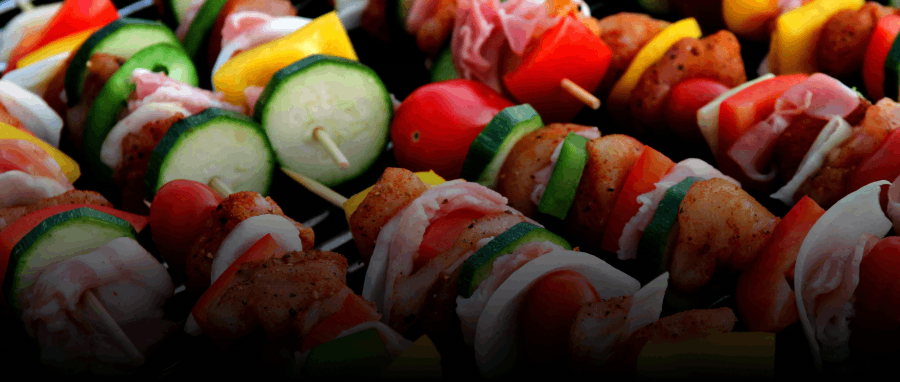
– Central Asia week: Plov (toasting rice briefly before braising builds nuttiness), manti (steam gently to keep dough tender), shashlik-style skewers (marinate with acid and oil, grill hot to seal juices).
– Butternut gutap: Roast instead of boiling for concentrated sweetness; mash with a fork so the filling keeps texture; roll dough thin to reduce bulk and pan-fry over medium heat to crisp without burning.
# Troubleshooting common roadblocks
– “We don’t have time”: Pick 30–45 minute versions — skillet plov, sheet-pan skewers, or dumplings made with store wrappers.
– “Kids won’t eat it”: Serve familiar carriers (rice, flatbread, tacos) and put new flavors in small bowls for tasting.
– “I’m intimidated by spices”: Start with one new spice per month. Toast whole spices briefly in a dry pan to unlock aroma, then grind or bloom them in oil for richer flavor.
# A gentle recipe for success from my kitchen
Set aside 45–90 minutes one night a week. Pick a theme, choose one technique to try, and treat the rest as flexible. Invite family members to own a single task. Celebrate small wins: a properly browned sear, a dumpling that doesn’t burst, a salad that disappears.
Small experiments lead to big wins. You’ll build a personal recipe bank of family-approved tweaks and a toolkit of techniques that make restaurant-level flavor achievable at home.
So, what small prompt will you pick this week — and which technique will you try first?

