
 # Stirring the Pot with Chef Mac: Community Kitchen Confidence
There’s something deliciously human about swapping kitchen wins, hacks, and those legendary “oh no” stories online. A video saves your dinner. A comment saves your leftovers. For busy cooks who juggle work, family, and the occasional last-minute Friendsgiving invite, the internet kitchen is an invaluable co-chef — if you know how to separate true help from flashy nonsense.
Below, I’ll unpack the mechanics and the mindset behind the best crowd-sourced advice: why certain tips work, the simple safety rules to follow, how to pick a skillet that won’t let you down, potluck ideas that scale, and practical ways to rescue (or retire) a questionable ingredient.
## Why the online kitchen crew is worth bookmarking — and how to vet them
Crowdsourced advice shines because it’s practical and battle-tested. You’ll find step-by-step videos, equipment-specific tweaks, and hacks born from real mistakes. But the value comes from contributors who explain the why, not just the what.
What to look for:
– Explanations that include temperatures, times, and technique. If someone shows a sear but doesn’t explain heat control, their tip is slippery.
– Context: pan size, oven type, ingredient weights. Reproducing a recipe in your tiny apartment kitchen requires these details.
– Dish scale and safety caveats. If a post glosses over handling raw chicken, move on.
Why this matters: cooking is applied science. Technique is repeatable because it’s based on cause and effect — heat transfers, protein coagulation, sugar caramelization. When people describe those mechanics, their advice is much likelier to work for you.
## Food safety: the few rules to actually follow
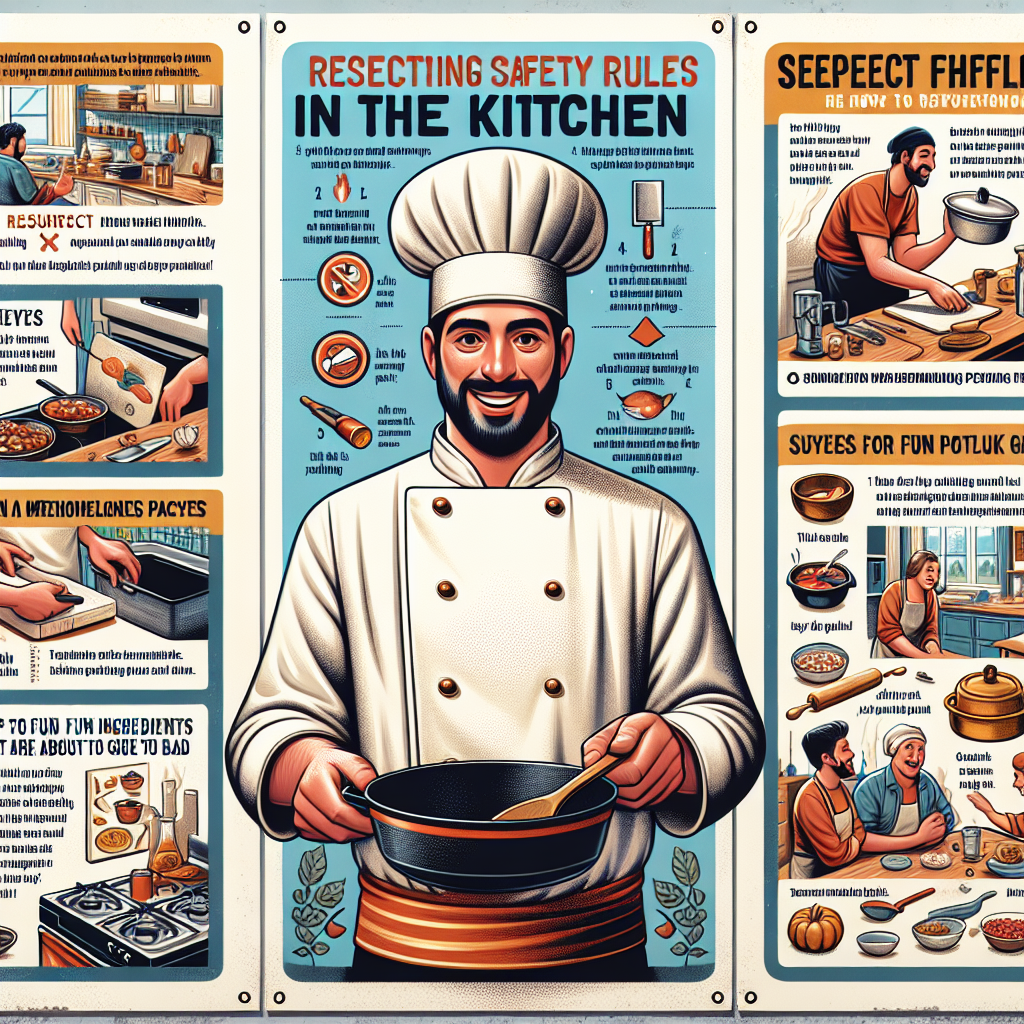
Busy cooks need short, memorable rules. Here’s mine — practical and non-negotiable:
– When in doubt, heat it. Cook poultry to 165°F, ground meat to 160°F, and fish to 145°F. Searing or charring for looks is fun, but internal temperature is what keeps you safe.
– Use trusted references for oddball questions. Government or university extension sites have tested guidance on storage times and reheating.
– Label and date leftovers. It’s a tiny habit that prevents guessing games and food waste.
– Chill quickly. Don’t leave cooked food at room temp for more than two hours (one hour above 90°F). Divide large batches into shallow containers or an ice bath to cool faster.
The why: bacteria grow fastest in the danger zone (40–140°F). Reduce time there and you reduce risk.
## Potluck letter games: scalable dishes that travel well
Got a random letter and an obligation to feed a group? Keep it simple and transport-friendly.
N ideas: nacho bar (chip base + three toppings), nori-wrapped rice balls (easy to stack), giant noodle salad with vinaigrette that won’t go soggy.
D ideas: deviled eggs (chill and transport on a tray), double-cheese dip (reheat at the party), drunken noodles (cook on-site if possible; they’re quick in a big wok).
Y ideas: roasted yams with maple and pecans (dress ahead; serve room temp), yakisoba/udon stir-fry (stays dense and satisfying), yogurt-herb dip with crudités.
Practical tips: pick dishes that can sit at room temp safely, travel in sealed containers, and reheat with minimal fuss. Bring a label with reheating instructions — your future self and the host will thank you.
## Cast-iron conundrum: vintage love vs. modern reliability
Heirloom skillets have character and history. A well-loved vintage pan can be a dream if it’s flat and not cracked. But modern cast iron — Lodge and peers — gives you consistent quality at a reasonable price.
What actually matters, and why:
– Flatness and even surface: a warped pan cooks unevenly. Heat wants contact; gaps mean cold spots.
– Thickness/heat retention: thicker pans hold onto heat for searing and make temperature swings less dramatic.
– Smoothness: a smooth surface helps with eggs and delicate foods. If yours is rough, a few seasoning cycles or some polishing can help.
Seasoning basics (do this if you get a raw pan): clean, dry thoroughly, rub a thin layer of high-smoke-point oil (flaxseed or vegetable), bake upside down at 450°F for an hour, cool. Repeat 2–3 times. The polymerized oil builds a nonstick patina.
Cooking technique in cast iron: preheat slowly over medium heat. Cast iron stores heat; start medium and step up if you need a stronger sear. Use a little fat, and be patient — temperature control beats brute force.
## How to rescue — responsibly — that “gift from friends” ingredient
We’ve all received an oddball ingredient and felt equal parts grateful and suspicious. Start with a safety checklist:
– Smell and inspect: off-odors, sliminess, or strange colors are red flags.
– Storage history: if you can’t confirm it was kept cold, be cautious — especially for seafood.
– Texture: freezer burn or mushiness can be salvaged in certain dishes but not always.
If salvageable, transform it where bold flavors help:
– Acidic marinades (vinegar, citrus) can brighten and slightly denature texture, but they don’t make contaminated food safe.
– High-heat searing or charring can improve texture and add complexity; follow with a sauce to carry flavor.
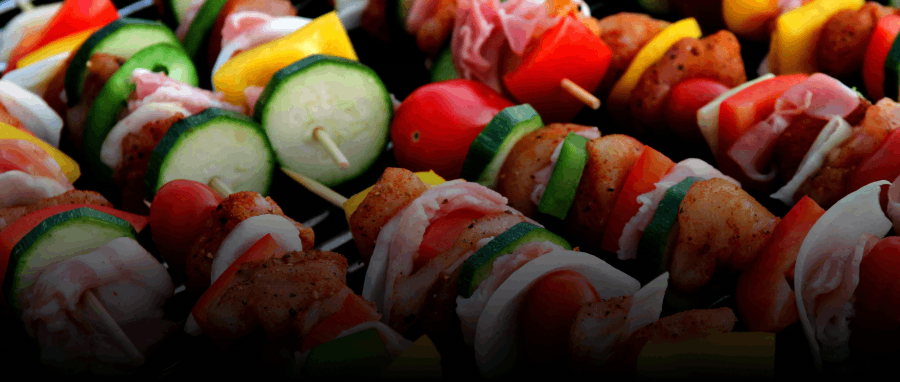
– Repurpose into composite dishes: stir-fries, skewers, hearty soups, or ragù hide inconsistencies while adding protection through thorough cooking.
When you share your rescue online, say what you tested, what you smelled, and how you cooked it. Transparency helps others learn.
## Be a good kitchen citizen
If you’re giving advice, separate fact from opinion. Say when you’re guessing. Be kind — people learning to cook are vulnerable, and clear, respectful advice is what builds the best communities.
## Takeaway checklist (so you can actually remember this later)
– Scroll for explanations, not just pretty food photos.
– Cook to safe temps or don’t use suspect proteins.
– For potlucks, favor scalable, transport-friendly dishes tied to the letter prompt.
– You don’t need a boutique skillet to cook great food; a well-seasoned mid-tier pan will do most of the heavy lifting.
– Credit the helpers and share what worked — and why.
Cooking is a craft and a conversation. Use the crowd as your test kitchen, but keep your wits: safety first, creativity second, and always bring a dish that saves the day (and maybe sparks a new recipe thread).
So — what crowd-sourced trick did you try that changed the way you cook, and which one are you itching to test next in your own kitchen?

