
 # From Rules to Roasts: How Butchers’ Wisdom Helps Busy Families Shop, Cook, and Stay Safe
There’s a friendly, no-nonsense world behind the meat case—skilled people who love their craft and want to share it. I’ve spent nights in busy kitchens and mornings at farmers’ markets, and the common thread I see is simple: when butchers share clear rules and teach the next generation well, home cooks win. If you’re a millennial juggling work, kids, and dinner, here’s a practical guide to the how and the why: safety boundaries, a short masterclass on a cheap-but-great roast, what’s normal for frozen organs, and quick moves to make steak sales stretch across the week.
## Community rules: kindness and limits
Meat forums and local shops run best when everyone respects two guardrails: be kind, and don’t ask strangers to make a food-safety call for you. The first is obvious—no one learns when conversation turns abrasive. The second matters more than it seems. From a photo or a text you’re missing crucial data:
– Temperature history (was it refrigerated or left warm?)
– Packaging integrity (holes, punctures, or swelling)
– Time since purchase or thaw
– Odors and texture you can only evaluate in person
Why care? Because food safety isn’t a guess. Toxins and bacterial growth happen invisibly; a butcher or food-safety pro with records or the original packaging can advise—but an internet stranger can’t. If you’re unsure, either return the item, consult where you bought it, or play it safe and discard it. Your family’s health is worth more than a single package.
## Training the next generation: why it matters to your weeknights
Good butchers don’t arrive fully formed. Shops that invest in mentoring produce people who can trim consistently, portion accurately, and give you smart advice on cooking methods. That shows up in your kitchen as:
– Better value: consistent portioning means fair pricing.
– Less waste: precise trimming leaves you the right amount of fat and connective tissue for the dish.
– Faster service: a confident butcher will recommend quick-cook cuts when you’re pressed for time.
If curiosity strikes, ask your butcher how they train staff. The shops that talk about structured mentoring are often the ones that make it easier for you to bring restaurant-quality results home.
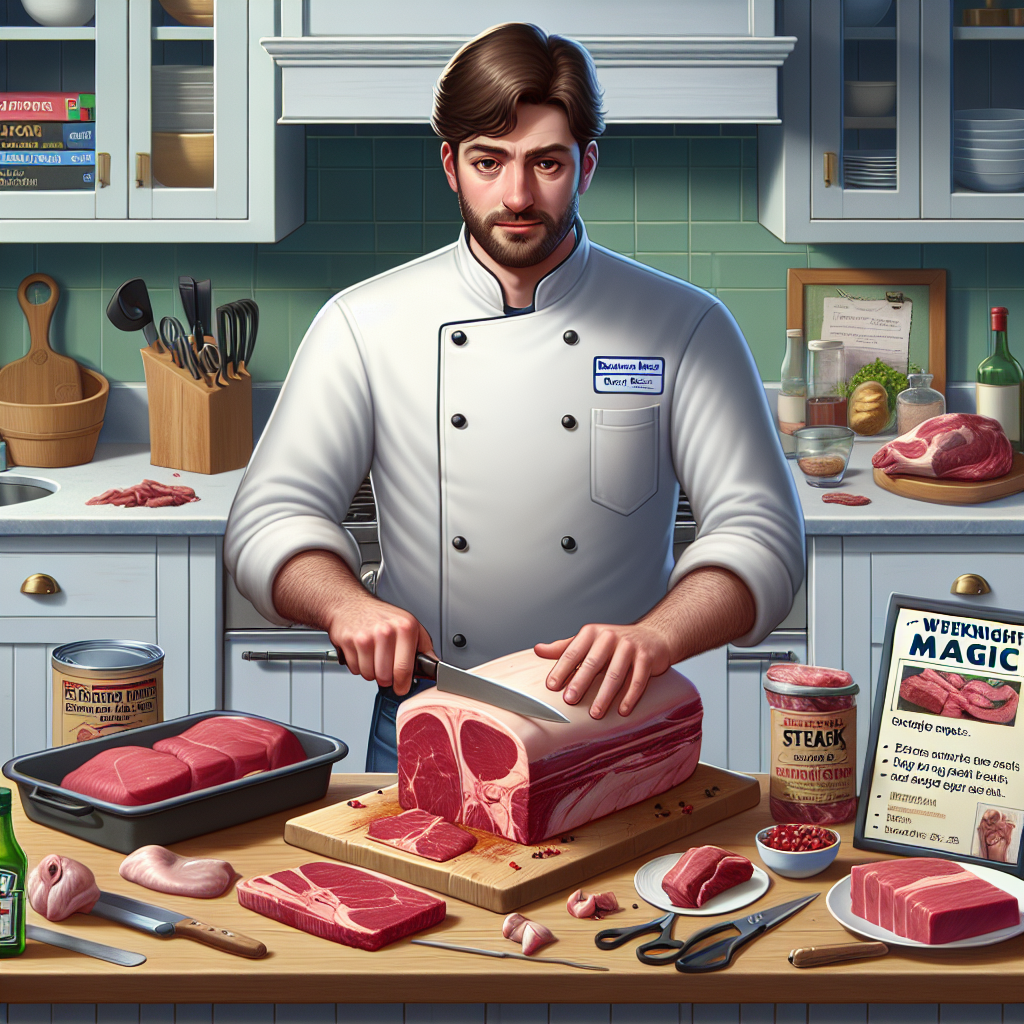
## Know your cuts: boneless bottom blade roast made simple
Let’s talk about a modest hero: the boneless bottom blade roast. It’s from the chuck (shoulder) and contains a good deal of connective tissue. That can make it tough if treated like a steak—but treated right, it’s gloriously flavorful and affordable.
The why: that connective tissue is mostly collagen. When cooked low and slow, collagen breaks down into gelatin, which gives meat a silky mouthfeel and keeps slices moist.
How to use it:
– Braise: Sear the roast to build flavor (Maillard reaction), add aromatic vegetables and liquid (stock, wine, or beer), cover, and cook at a low oven temp (275–300°F / 135–150°C) until fork-tender—often 2.5–4 hours depending on size.
– Slow cooker: Sear, toss in the cooker with herbs and broth, and set on low for 6–8 hours.
– Sandwiches and tacos: Chill the cooked roast, slice very thin against the grain. Thin slicing shortens chew and shows off the gelatinous juiciness.
Pro tip: brown first for flavor, don’t rush the braise, and always slice against the grain.
## Frozen organ meats and discoloration: what’s normal (and what’s not)
Organs like hearts can look surprising out of context. Darker patches or small blood spots are often normal—organs have dense blood supplies and lots of myoglobin. But a few red flags deserve action:
– Greenish or grey tones, especially after thawing
– Slimy texture or a sticky film
– Sour, putrid, or otherwise off smells after thawing
– Excessive freezer burn or heavy dehydration
Safe handling:
– Thaw in the fridge overnight, not on the counter.
– Rinse briefly and pat dry; blot any pooling blood before cooking.
– Smell after thawing. If it’s wrong, toss or return it.
When in doubt, ask the retailer—don’t rely on a random forum verdict.
## Making the most of steak sales: quick plans for busy families
Spotted NY strips on sale? Smart buy. Here’s how to stretch the deal for multiple meals.
– Buy & freeze: Portion into 1–2 person servings, wrap tightly (vacuum if you have it), or use freezer bags with the air pressed out. Lay flat to flash-freeze for easy stacking.
– Quick pan-sear: Bring steak to room temp for 20–30 minutes, season simply with salt, preheat a heavy pan until very hot, sear 2–4 minutes per side depending on thickness for medium-rare, then rest 5–10 minutes. Resting lets juices redistribute; cut too soon and they spill out.
– Versatile reuse: Slice thin for fajitas, marinate briefly for stir-fry, or chop and fold into fried rice.
– Trim before freezing: If there’s a heavy fat cap you don’t love, trim it off before storage—less waste when reheating.
Reheating tip: low oven (250°F / 120°C) until warm, then a quick sear to refresh the crust keeps steak juicy.
## Practical habits that save time and frustration
– Label & date everything. A simple Sharpie on freezer tape saves guesswork later.
– Batch-cook: Turn a cheap roast into multiple dinner formats—soup, tacos, sandwiches, pasta topping.
– Ask your butcher specific questions: “I need dinner in 30 minutes—what cut and prep do you recommend?” Works better than a vague “what should I buy?”
– Don’t gamble with safety: unknown storage history or bad smells = toss.
## Small joys and big payoff
There’s real joy in the small wins: a perfectly trimmed roast, an apprentice who finally nails a clean portion, a family that devours a slow-braised dinner with zero stress. The butcher world is tightening up its sharing—clearer rules, more mentorship, and better answers on safety. For busy households that means clearer guidance and more reliable value at the counter.
So here’s my invite: try turning a boneless bottom blade roast into a week’s worth of meals, or ask your butcher how they train their team next time you’re in. What’s one cut you’ve been curious about—would you braise it, sear it, or ask your butcher to show you the best way to cook it at home?

