

 # Meet Your Butcher (and Your Cuts): Simple Rules, Smart Choices, and Kitchen Hacks for Busy Families
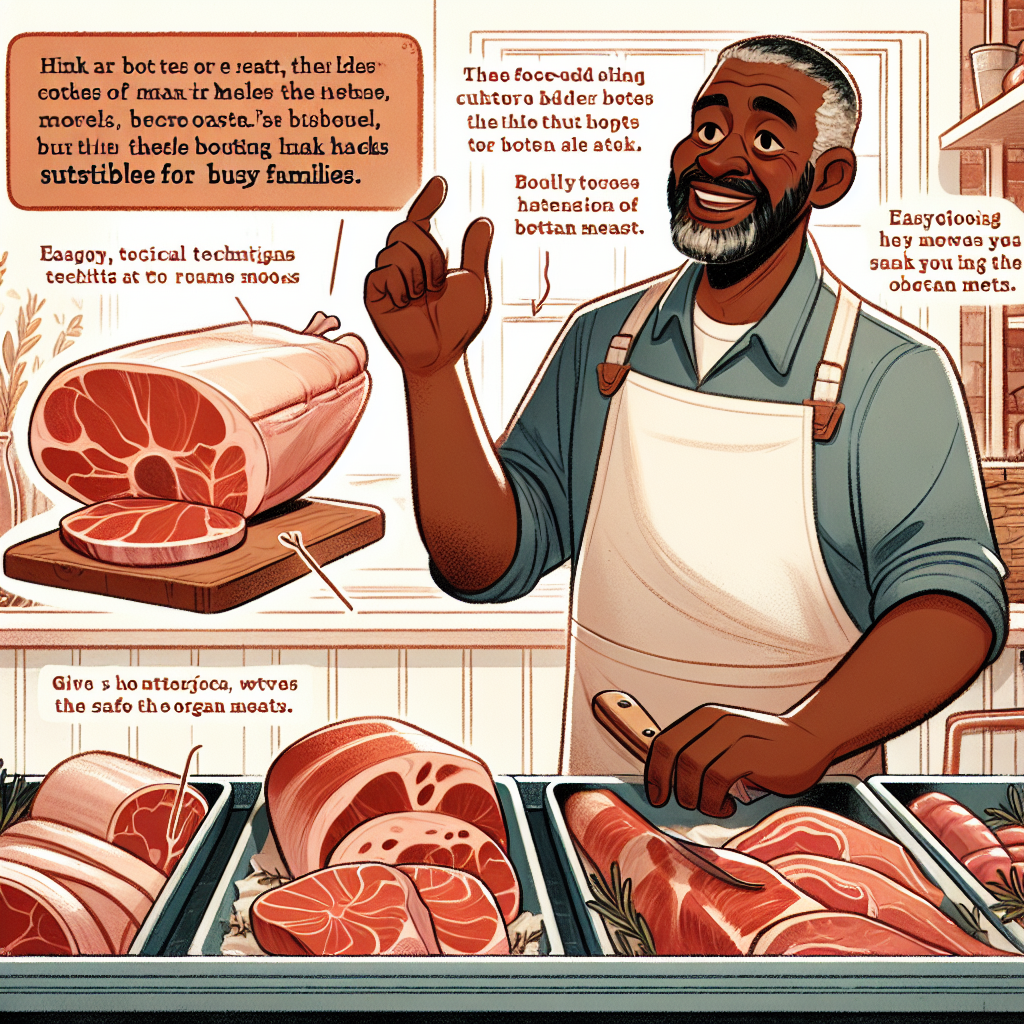
I still remember the first time a butcher taught me to trim a roast: she handed me a paring knife, pointed at a stubborn fat cap, and said, “Even it up — cooking like you mean it.” That tiny bit of care changed how the roast seared, how it held seasoning, and how the whole family raved at dinner. If you’re juggling work, school runs, and dinner, a friendly butcher can be one of your simplest time-saving, flavor-boosting allies. Let’s taco ’bout why.
## Why the Butcher Matters (More Than a Counter)
A butcher is more than a server of protein; they’re a translator between the animal, the kitchen, and your family’s weeknight life. They can advise on cuts that stretch a budget, explain flavor profiles, and help with portioning so you don’t cook more than you need. Culturally, the butcher’s counter keeps food knowledge local — it’s where technique, tradition, and convenience meet.
When to knock on that glass and ask questions: anytime you want to stretch your food dollar, learn a new preparation, or confirm if something looks off. And yes, sometimes you should bring the item in rather than relying on a photo — texture and smell don’t transmit well over pixels.
## Community Rules: When to Ask for Help (and When to See Someone in Person)
Online forums are great for recipes and technique tips, but safety catches are often best handled in person. Quick rules:
– Safety concerns (odd smells, sticky texture, swollen packaging): visit or call your retailer or public health authority.
– Cooking methods, cuts, or recipe ideas: forums and butchers are happy to help.
– If posting online, include clear photos, packaging dates, and storage details — and expect that many will recommend an in-person check.
Above all, be kind. Food communities thrive on respectful curiosity, not snark.
## Know Your Cuts: The Boneless Bottom Blade Roast — What and Why
You’ll see “bottom blade roast” and wonder if it’s a bargain or a problem. It comes from the shoulder (the chuck), a hardworking area — which means excellent beefy flavor and connective tissue that rewards low, slow cooking.
How to use it and why it works:
– Braise it (my go-to): Low-and-slow converts collagen into silky gelatin. For a 2–3 lb roast, braise at 275–300°F (135–150°C) in a covered pan or slow cooker for 3–4 hours until the meat reaches 195–205°F and pulls apart easily. The steam and fat circulation break down toughness and build depth of flavor.
– Slow-cooker shredded beef: Season, sear briefly, then add aromatics, a cup or two of liquid (stock, wine, or tomato-based sauce), and cook on low for 6–8 hours.
– Roast smart: If you prefer slicing, roast to medium (rare is hard on this cut) and slice thin against the grain. Keep an eye on internal temps and rest 10–15 minutes to redistribute juices.
– Trim if needed: Even fat caps = uniform cooking. A quick,
even trim helps seasoning penetrate and prevents flare-ups if you finish on the grill.
Your butcher can point you to top-blade steaks (flat irons) if you want quicker, grill-friendly options.
## Offal & Freezer Questions: Is That Sheep Heart Okay?
Organ meats can look dramatic — especially frozen. A sheep heart with darker areas or some blood near seams can be normal: freezing and thawing can cause pooling and color shifts. But safety isn’t just about looks.
What to check and why:
– Packaging integrity: Broken seals or swollen packs can indicate contamination.
– Freezer burn/excessive ice crystals: These tell you if the product was exposed to air or suffered partial thaw-refreeze cycles.
– Smell after thawing: A fresh organ shouldn’t be sour or putrid. Aroma is a primary spoilage indicator.
– Texture: Slimy or tacky feels can mean bacterial growth.
– Dates & cold chain: How long was it frozen? Was it subject to temperature swings?
If you’re unsure, photograph the product, note storage history, and call the retailer or your local butcher. Better safe than sorry — when in doubt, toss it or return it.
## Apprentice Joy: Small Lessons That Make a Big Difference
Watching apprentices learn is a reminder that skill is accumulation — small, repeatable habits become kitchen gold. Here are tips you can bring home:
– Even fat caps: Trim uneven fat for consistent cooking and better searing.
– Salt ahead for steaks: Dry-brine steaks 30–60 minutes before cooking to improve flavor and crust. For busy nights, salt in the morning and cook that evening.
– Practice portions: Ask for tray-packs or family-sized portions. It saves time and reduces waste.
– Sharpening basics: A sharp knife is safer and faster. Even a quick 10–15 second hone before prep makes a difference.
These are apprentice-level wins that turn good meals into great ones.
## Running the “Meat Case” at Home: Organization Tricks for Busy Families
Think of your fridge and freezer as a mini three-tier service case. A little organization saves time and reduces stress.
– Top tier (ready to eat/quick meals): Steaks and chops you’ll cook in a couple of days.
– Middle tier (soon-to-use): Roasts and larger cuts for the week ahead.
– Bottom tier (long-term): Bulk packs and organ meats in the freezer.
Label everything with what it is and the date you froze it. Rotate using FIFO (first in, first out). Portion large roasts into family-sized portions before freezing so weekday cooking becomes five minutes of prep and the rest is warmth and attention.
Also: keep your fridge below 40°F (4°C) and freezer at 0°F (-18°C) for safety and quality.
## Practical, Weeknight-Friendly Hacks
– Make a pot roast on a Sunday and repurpose it during the week: tacos, sandwiches, pasta. One effort, multiple dinners.
– Ask your butcher for quick-cook alternatives. Often the same animal offers cuts for every schedule.
– Freeze aromatics in oil (ginger, garlic, herbs) in small cubes to flavor braises without extra prep time.
## Takeaway (and a Little Challenge)
Butchery is craft, community, and common sense. Learn a few rules — when to ask for help in person, how to braise a bottom-blade roast, how to judge organ meats after freezing, and how to run a mini meat case at home — and you’ll save time, reduce waste, and eat better.
Next time you shop, ask your butcher for a family-friendly slow-cooker recipe using a bottom-blade roast. They’ll likely give you a simple favorite that makes two meals and leaves you with dinner-ready leftovers. Ready to try a three-day roast-to-tacos plan this week, or do you have a butcher’s tip that changed your kitchen game?

