
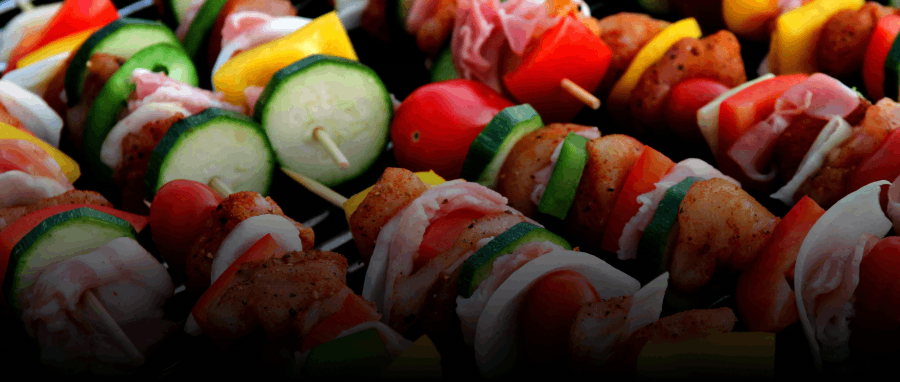
Ever wonder why that steak or those roasted vegetables taste so much better at a restaurant? It’s not magic; it’s chemistry. Specifically, it’s the Maillard Reaction—a complex cascade of chemical reactions between amino acids and reducing sugars that occurs when food is subjected to high heat. It’s the secret to deep, savory, complex flavor.
The Flavor Formula: Maillard vs. Caramelization
- Caramelization: Sugars alone turn brown (think burnt sugar).
- Maillard Reaction: Proteins and sugars react, creating hundreds of distinct flavor compounds. This gives us the nutty, savory, meaty crust on a sear.
The Blueprint for a Perfect Sear
To make the Maillard Reaction happen, you need three things: Heat, Dryness, and Time.
Step 1: The Heat Factor (High and Steady)
- Don’t Fear the Fire: Use a pan that holds heat well, like cast iron or stainless steel. Get it smoking hot. If the pan isn’t hot enough, the food will steam, not sear.
- Fat Choice: Use an oil with a high smoke point, like canola, avocado, or grapeseed. Butter is delicious but burns too easily for the initial sear.
Step 2: The Dryness Factor (No Moisture Allowed!)
- Pat it Dry: Moisture is the enemy of the Maillard Reaction. Water turns to steam, which cools the pan and prevents browning. Pat your protein (or vegetables) thoroughly dry with paper towels.
- No Crowding: Only add enough food so that there is space between each piece. If you crowd the pan, the temperature drops dramatically, and the food releases steam, resulting in a dull, grey crust instead of a beautiful brown one.
Step 3: The Time Factor (Hands Off!)
- Season Heavily: Season your food right before placing it in the hot pan.
- Let It Be: Once the food is placed in the hot oil, do not touch it. Let it sit, untouched, for several minutes. When the Maillard Reaction has fully occurred, a crust will form, and the food will release naturally from the pan. Trying to flip it too early will tear the crust.
A great sear adds layers of flavor that are impossible to replicate. Master this one technique, and your home cooking jumps instantly to restaurant quality.

